

How Many Days Do You Need in Tokyo?
How many days do you need in Tokyo? Compare 3, 4, 5 and 7-day trips, neighbourhood planning and the best duration for a first Japan visit.
The short answer
For most first-time visitors, five days in Tokyo is the sweet spot. Four days is enough for a strong first visit if you plan by neighbourhood. Six or seven days works well if Tokyo itself is a major focus or you want a day trip without sacrificing the city.
Tokyo trip length at a glance
Why Tokyo needs more time than it looks
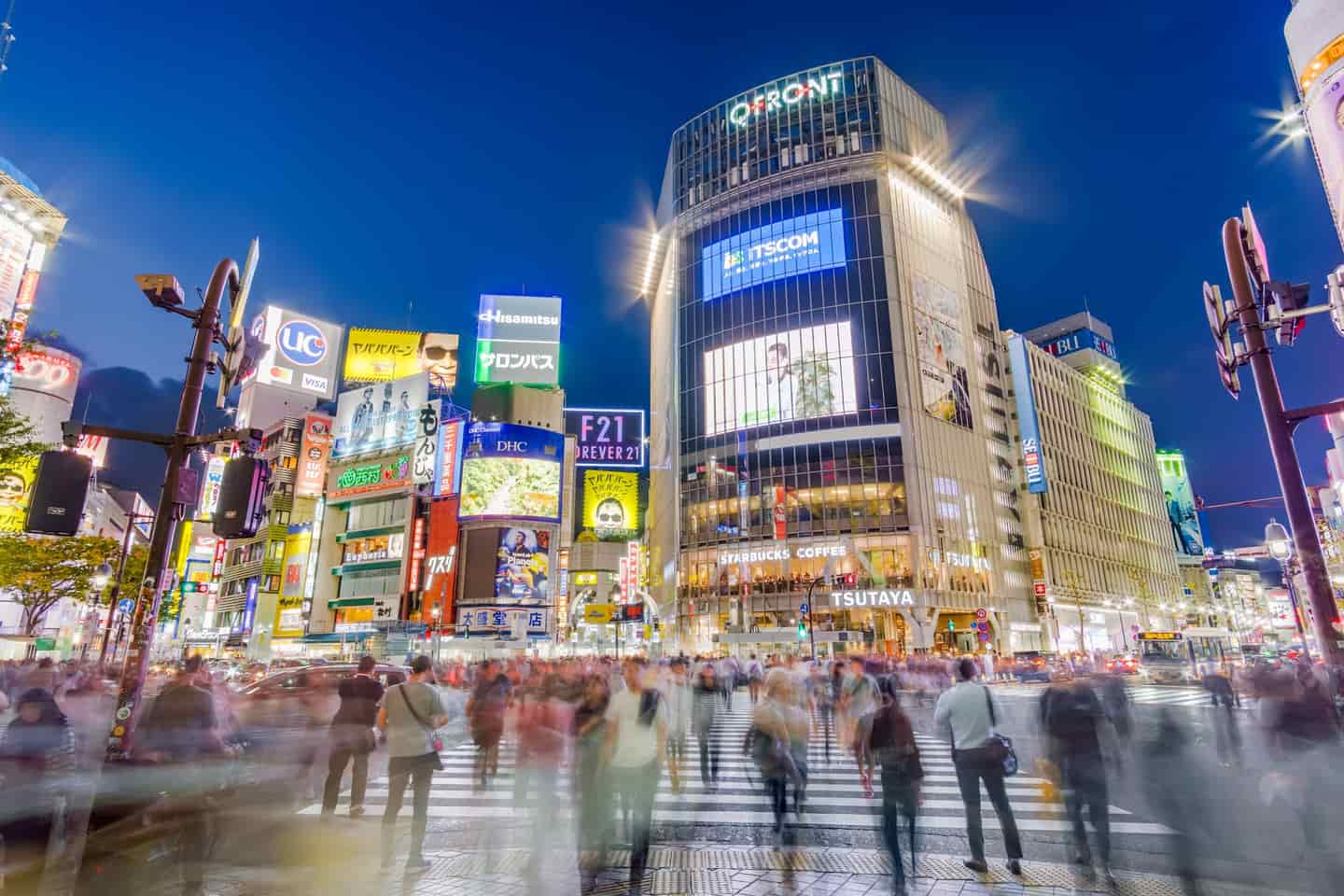
Tokyo is enormous, but the more important planning fact is that its neighbourhoods behave like separate cities. JNTO describes Shibuya as a youth and entertainment hub, Shinjuku as a vast mix of skyscrapers, shopping, nightlife and green space, and Asakusa as an old-town district centred on Sensoji, street food and traditional shops.
That is why a plan built as a list of attractions fails quickly. The useful unit of planning is the neighbourhood cluster.
Four days in Tokyo
Use one day for Shibuya, Harajuku and Omotesando, one for Shinjuku and nearby west-Tokyo areas, one for Asakusa and Ueno/east Tokyo, and one for whichever cluster matches your interests: Ginza, Akihabara, Toyosu, Shimokitazawa, museums or another neighbourhood.
Four days still requires restraint. A morning in Asakusa and an evening in Shibuya is possible, but doing that kind of cross-city jump repeatedly wastes the main advantage of Tokyo's rail network: easy movement within sensible clusters.
Five days in Tokyo
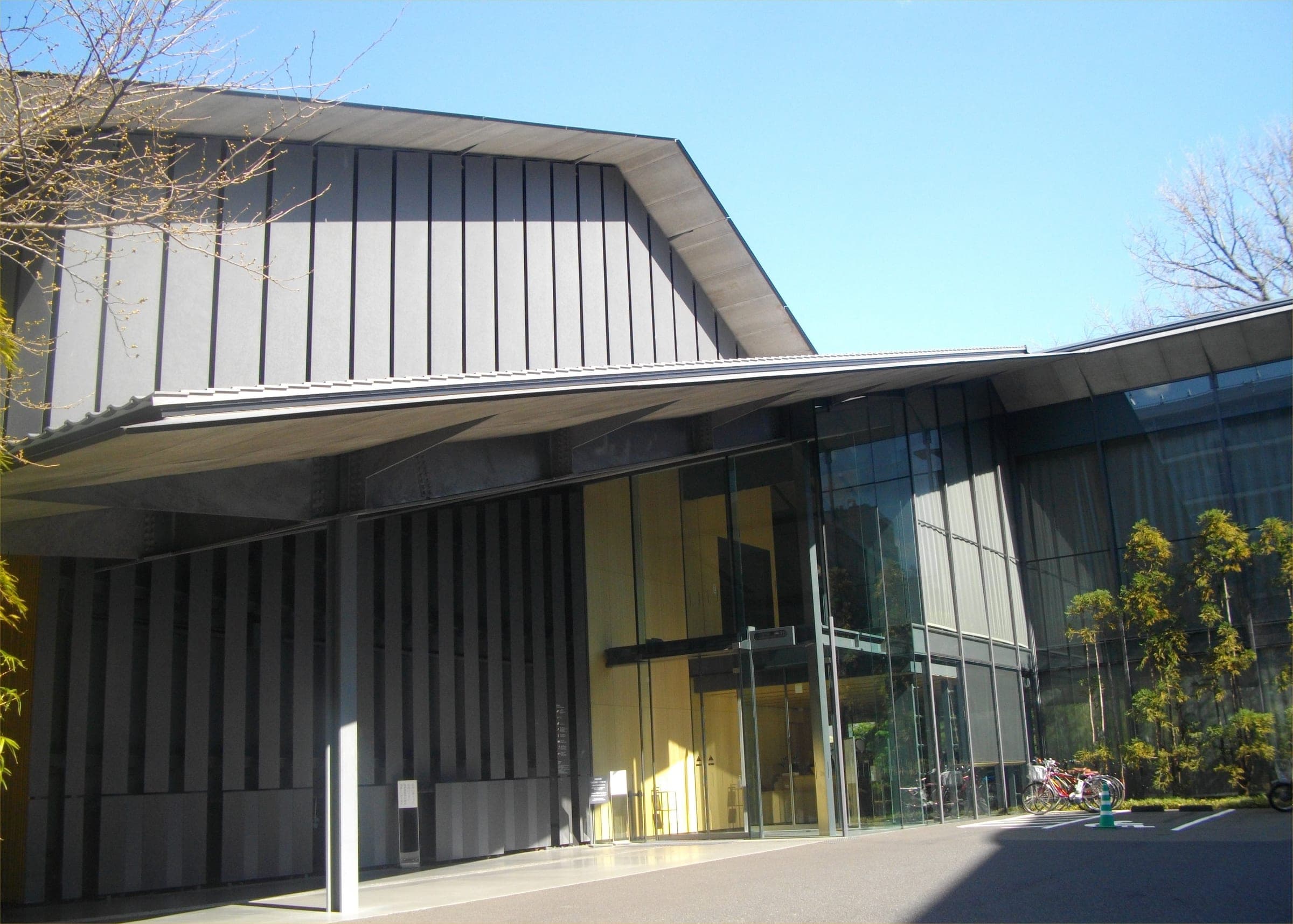
The fifth day is where personal interests enter the itinerary. Music, fashion, architecture, food, anime, museums, coffee, parks or nightlife can become a real day instead of being squeezed into the edges of famous districts.
JNTO's city guide emphasises Tokyo's contrast between historic Asakusa, fashion-heavy Shibuya and Harajuku, and business/nightlife Shinjuku. Five days is when those contrasts become the trip rather than background scenery.
Six or seven days
With six or seven days, add slower districts or a deliberate day trip such as Kamakura, Nikko or Hakone depending on the wider Japan route. Do not assume every extra Tokyo day must become an excursion; the city itself can absorb a week easily.
A fifth-day idea: choose one Tokyo you have not seen yet
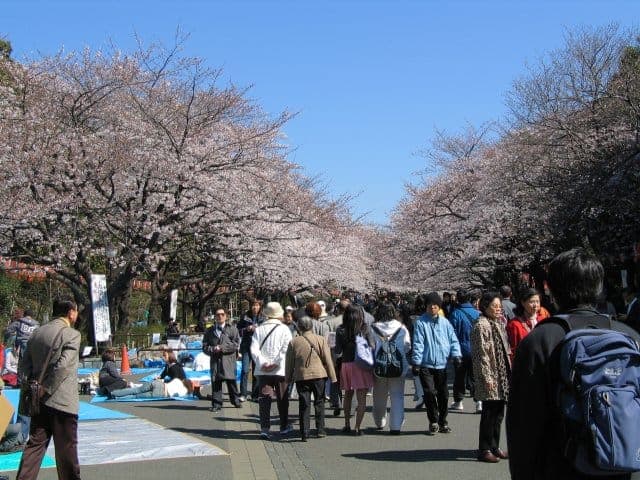
Instead of adding another cross-city checklist, use the fifth day around one interest. Architecture can take you through Omotesando and Daikanyama; food can turn into markets and specific neighbourhood reservations; music and nightlife can keep Shibuya or Shinjuku active until late; museums can make Ueno a much deeper day.
The verdict
Stay five days if Tokyo is one of the main destinations on a first Japan trip. Four works for a faster Golden Route. Six or seven is excellent if you care more about Tokyo itself than adding another city simply for variety.
Frequently asked questions
Is 3 days enough in Tokyo?
Three days is enough for a highlights sampler but forces major neighbourhood choices. Four or five days is much better for a first visit.
Is 4 days enough in Tokyo?
Yes. Four days can cover the major east- and west-Tokyo clusters if you plan by neighbourhood rather than individual attractions.
Is 5 days too long in Tokyo?
No. Five days is the ideal first-visit length for many travellers because it adds room for personal interests beyond the major districts.
How many nights should I stay in Tokyo?
Four or five nights is a strong default. Add more if Tokyo is a major focus or you want day trips without cutting city time.
Should I do a day trip from Tokyo on a 5-day visit?
Only if the excursion is a priority. Tokyo itself easily fills five days; a sixth or seventh day is a more comfortable place for a day trip.
Which Tokyo neighbourhoods should a first-time visitor prioritise?
Shibuya, Shinjuku and Asakusa are strong anchors because they show very different sides of the city. Add Harajuku, Ueno, Ginza, Akihabara or another district based on interests.
Sources
- JNTO: Tokyo — Official city and neighbourhood context.
- JNTO: Asakusa — East-Tokyo district context.
- JNTO: Shinjuku — West-Tokyo district context.
- JNTO: Shibuya — Shibuya visitor context.