

Madrid vs Barcelona: Which City Is Better for Your Trip?
Madrid vs Barcelona compared for art, architecture, food, nightlife, beaches and trip length. See which Spanish city better fits your first trip.
The short answer
Choose **Madrid** if you care most about world-class art museums, neighbourhood life, late dinners, bars and a city that rewards wandering beyond the headline sights. Choose **Barcelona** if you want Gaudí architecture, a Mediterranean setting, beach access and a first visit with an unusually high concentration of instantly recognisable places.
For a first trip to Spain, neither is objectively better. Madrid is the stronger *city* experience for travellers who like living inside a place for several days. Barcelona is the stronger *visual* experience for travellers who want architecture, sea and major sights packed into a relatively compact trip.

Madrid vs Barcelona at a glance
Why choose Madrid?
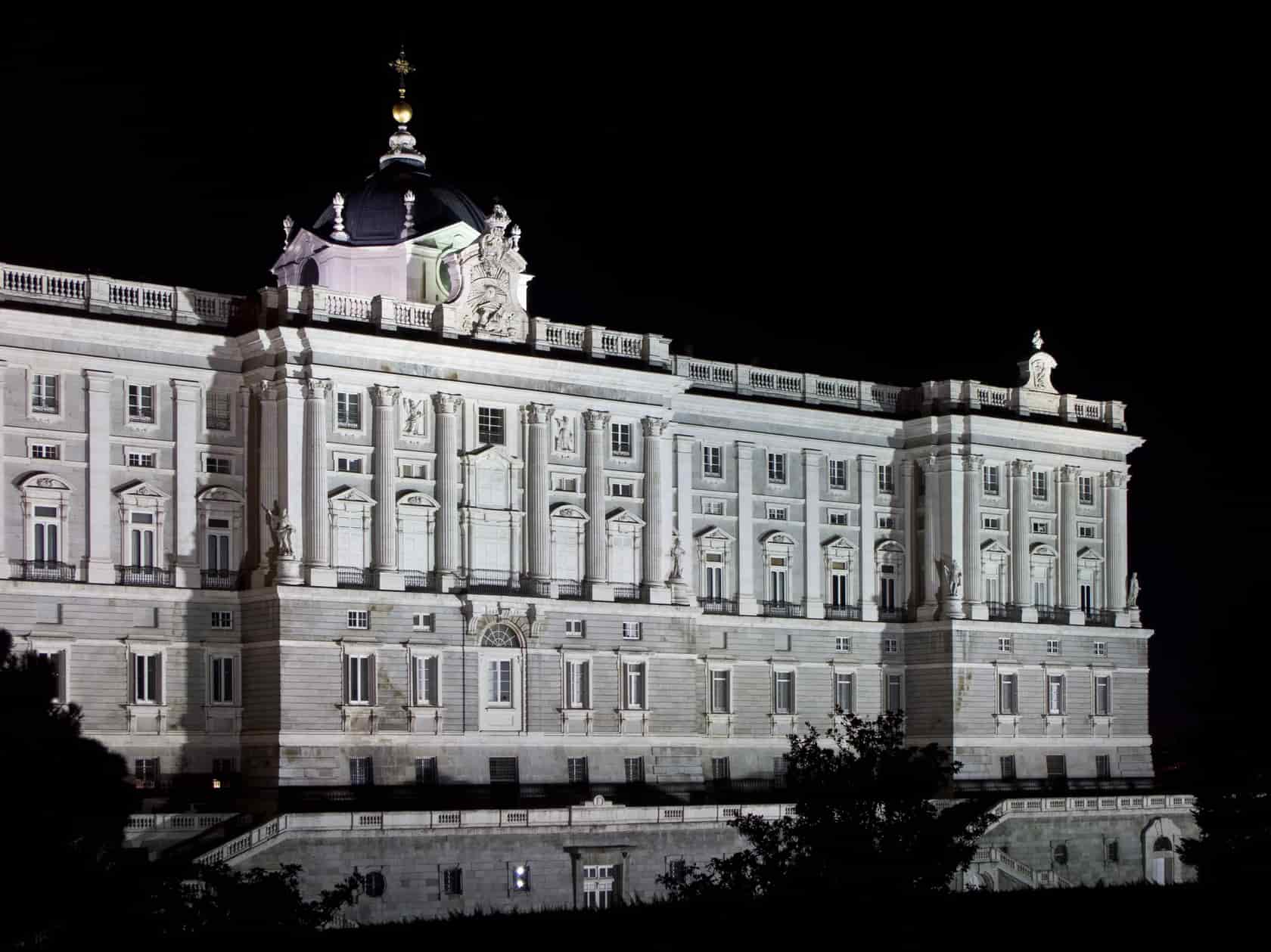
Madrid is a city that becomes more convincing the longer you stay. The headline sights are substantial: the Prado, Reina Sofía, Thyssen, Royal Palace, Plaza Mayor, Retiro and the entire Paseo del Prado corridor. Official Madrid tourism explicitly builds 48-hour and 72-hour itineraries around that concentration of art, royal history and public space.
But Madrid's strongest argument is what happens after the obvious list. Malasaña, Chueca, La Latina, Lavapiés, Barrio de las Letras, Chamberí and Retiro all change the tone of a day. Official tourism presents these areas as distinct visitor districts rather than one central old town, which reflects the way the city actually works.
Choose Madrid if you like trips where lunch turns into an afternoon walk, dinner starts late and the neighbourhood around the museum matters as much as the museum itself.
- Stronger museum concentration
- Deeper neighbourhood variety
- Exceptional late-night city culture
- More local-feeling once you leave the central tourist core
- Excellent base for central-Spain day trips
Why choose Barcelona?
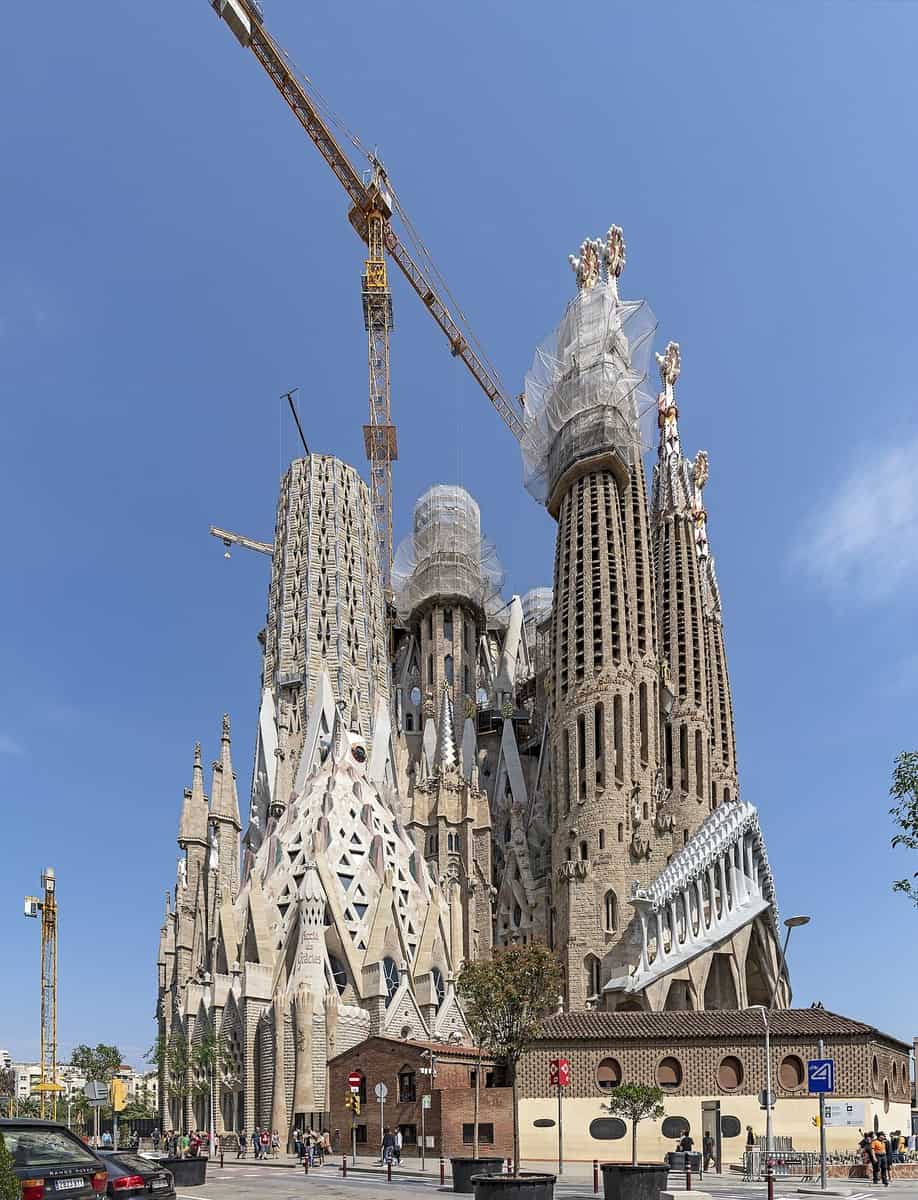
Barcelona is more immediately legible. Sagrada Família, Park Güell, Casa Batlló, La Pedrera, the Gothic Quarter, the waterfront and Montjuïc create a sequence of highly distinctive places that can be organised into three very satisfying days.
Official Barcelona tourism describes Sagrada Família as the city's undisputed symbol and treats Park Güell and the broader Modernisme landscape as central to the destination. The tourism board also recommends booking Sagrada Família and Park Güell in advance because of demand, which matters when designing a short itinerary.
The Mediterranean changes the trip as well. You can move from Gothic lanes to the waterfront, add beach time, and finish on a hill or terrace with the city and sea visible together. Madrid simply cannot offer that combination.
Which city is better for art and museums?
Madrid. The Prado, Reina Sofía and Thyssen-Bornemisza form one of Europe's strongest museum concentrations, and the surrounding Paseo del Prado/Retiro area is recognised by UNESCO as the Landscape of Light.
Barcelona has excellent museums, particularly for Picasso, Miró, Catalan art, design and architecture, but a traveller whose trip revolves around painting and major collections should choose Madrid.
Which city is better for architecture?
Barcelona. Gaudí alone changes the comparison. Sagrada Família, Park Güell, Casa Batlló, La Pedrera and other Modernisme landmarks give the city an architectural identity few European destinations can match.
Madrid is architecturally rich too, especially around Hapsburg Madrid, the Royal Palace, Gran Vía and the grand nineteenth-century boulevards, but the architecture is less likely to be the main reason you booked the trip.
Which city is better for food and nightlife?
Madrid has the edge for nightlife and the broader late-night city experience. La Latina, Malasaña, Chueca, Lavapiés and Chamberí each support different evening styles, and dining late feels integrated into the city's normal rhythm rather than a tourist activity.
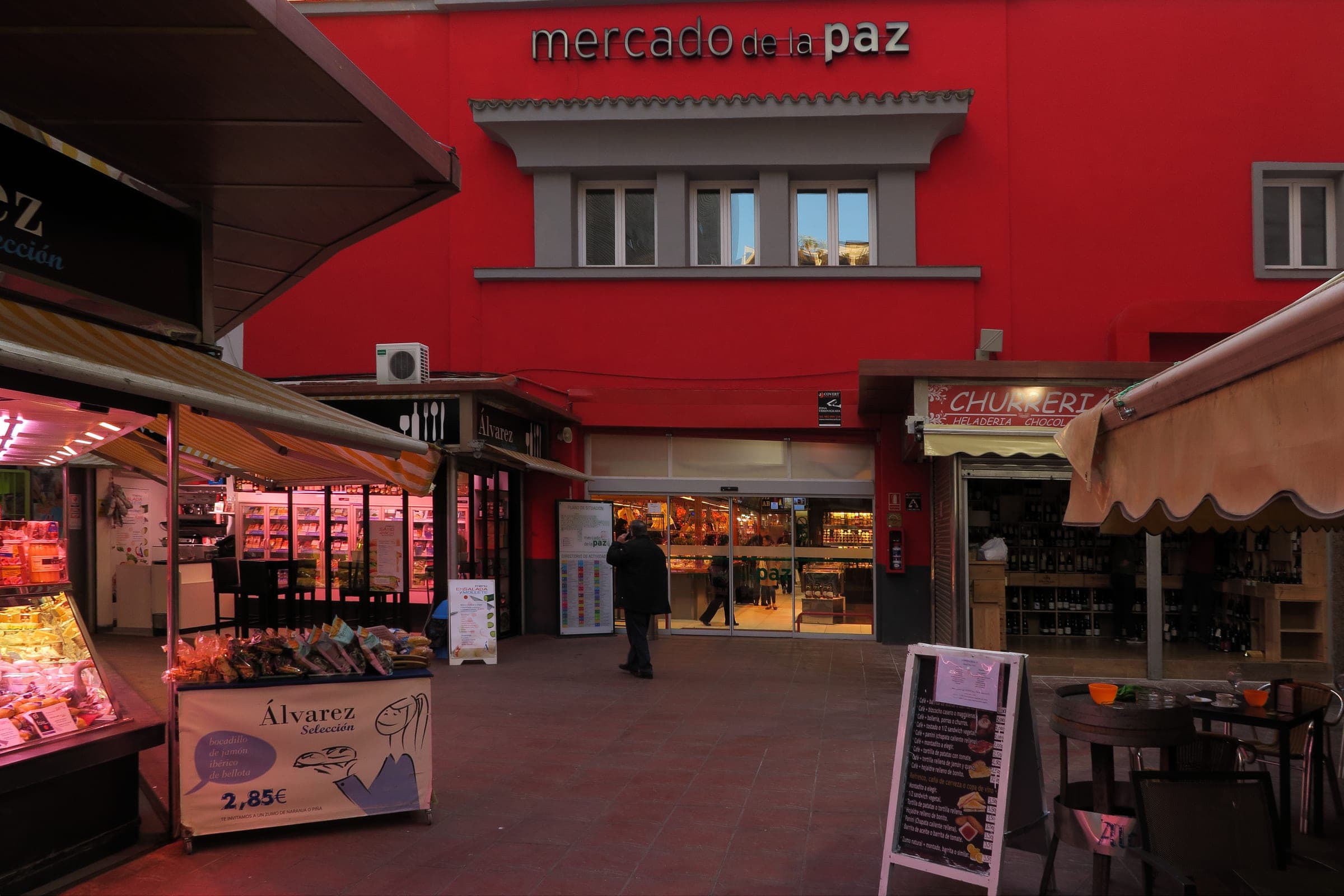
Food itself is closer to a tie. Madrid is excellent for traditional taverns, markets and contemporary restaurants; Barcelona brings Catalan cooking, seafood and a strong international scene. Pick by cuisine rather than expecting a clear winner.
Which is better for a 3-day trip?
Barcelona is slightly easier to compress. Three days can create a coherent structure around the Gothic/Born core, Gaudí/Gràcia and Montjuïc/waterfront. The city is still busy, but the itinerary has obvious clusters.
Madrid also works in 72 hours, and official tourism publishes a dedicated three-day itinerary, but three days forces sharper choices between museums, royal Madrid and neighbourhood time. For the fuller answer, see How Many Days Do You Need in Madrid?.
Which is better for a 4 or 5-day trip?
At four or five days, the comparison becomes more personal. Barcelona gains time for Gràcia, Montjuïc, beaches, additional Modernisme and slower neighbourhood days. Madrid gains time for multiple museums, Retiro, local districts and perhaps a day trip without hollowing out the city itself.
If you usually prefer cities that reward repeat wandering, Madrid may pull ahead. If you prefer visually varied days with architecture, hills and sea, Barcelona remains compelling.
The verdict
Choose Madrid for art, neighbourhood life and the pleasure of inhabiting a big city. Choose Barcelona for architecture, Mediterranean geography and a first visit with immediate visual impact.
If your Spain trip is long enough, the best answer is to stop treating them as substitutes. They are different enough to justify both, and the train connection makes a two-city route straightforward to plan.
Frequently asked questions
Is Madrid or Barcelona better for a first trip to Spain?
Barcelona is easier for a short first visit because its iconic architecture and Mediterranean setting create a very immediate experience. Madrid is better for travellers who prioritise art museums, neighbourhood life and a deeper big-city stay.
Which city needs more days, Madrid or Barcelona?
Both reward four or five days. Madrid generally benefits more from extra neighbourhood and museum time, while Barcelona can deliver a strong first visit in three days if major attractions are booked carefully.
Which is cheaper, Madrid or Barcelona?
Costs vary by season and neighbourhood, and both can be expensive in central areas. Compare live accommodation prices for your dates rather than assuming one city is consistently cheaper.
Which has better nightlife, Madrid or Barcelona?
Madrid has the edge for breadth and late-night neighbourhood culture. Barcelona also has strong nightlife, especially around central and beach areas, but Madrid's evening culture is more central to the overall city experience.
Which has better beaches?
Barcelona, because Madrid is inland. Barcelona combines a major urban destination with Mediterranean waterfront and beach access.
Can you visit Madrid and Barcelona in the same trip?
Yes. They make an excellent two-city route and are connected by high-speed rail. Build the itinerary around the number of usable days rather than counting the transfer as a full sightseeing day.
Sources
- Tourism Madrid: 72 hours in Madrid — Official first-visit structure and major sights.
- Tourism Madrid: neighbourhoods — Official neighbourhood context.
- Tourism Madrid: Landscape of Light — UNESCO art and Retiro district context.
- Barcelona Tourism: Sagrada Família — Official landmark context.
- Barcelona Tourism: visitor FAQ — Advance-booking guidance for major attractions.