

One Week in Barcelona — A 7-Day Itinerary
A practical 7-day Barcelona itinerary structured by neighbourhood — not a checklist. Covers Sagrada Família, Gothic Quarter, Montjuïc, Barceloneta, and what to book before you arrive.
The short answer
Seven days is an excellent amount of time for Barcelona. You can cover the major Gaudí landmarks, spend real time in the Gothic Quarter and El Born, give Montjuïc the day it deserves, reach the waterfront, and still keep one day flexible.
The key is to plan **by area rather than by attraction ranking**. Barcelona becomes much easier when each day has a geographic centre and only the genuinely timed experiences are fixed.
The 7-day Barcelona itinerary at a glance
- Day 1: Gothic Quarter, El Born and the old city.
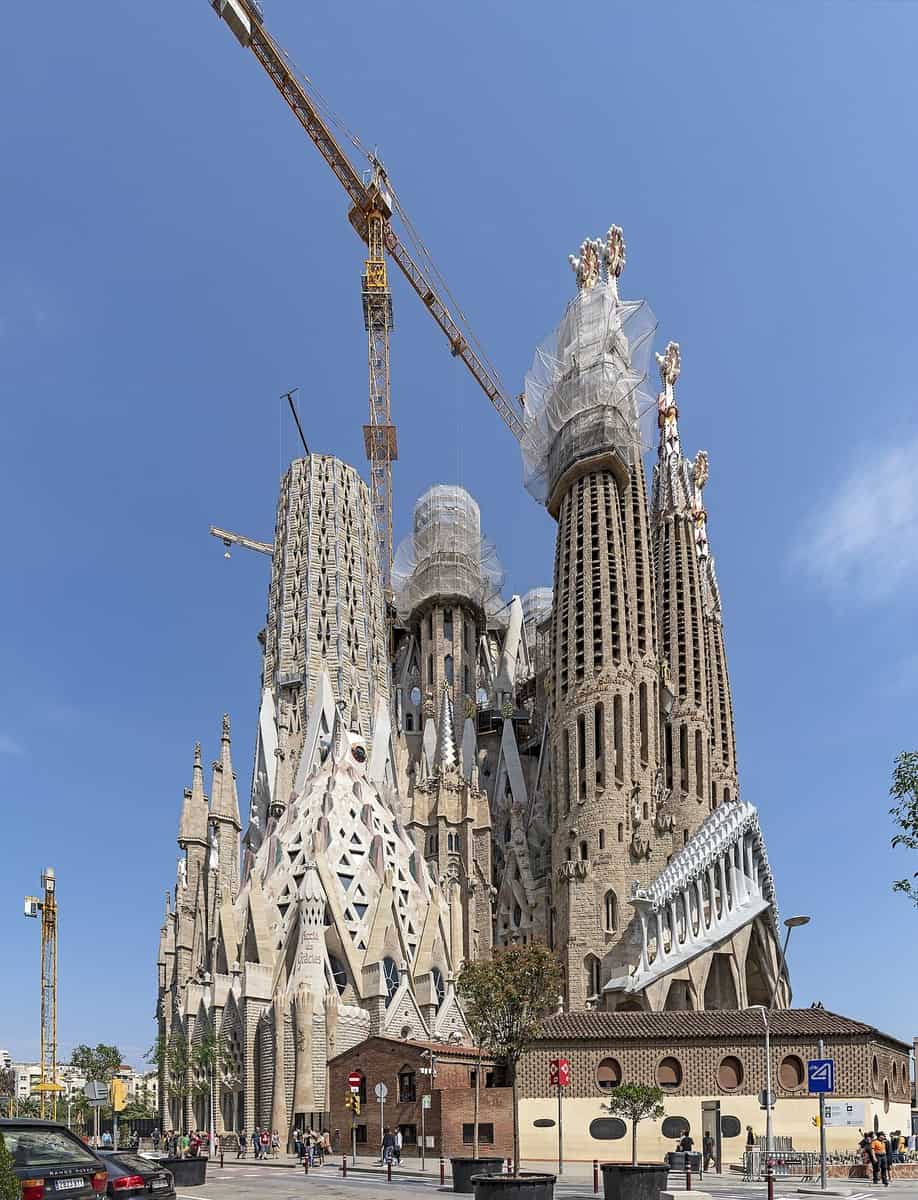
- Day 2: Sagrada Família, Eixample and Passeig de Gràcia.
- Day 3: Park Güell, Gràcia and a slower Gaudí day.
- Day 4: Montjuïc, Miró, MNAC and the hill.
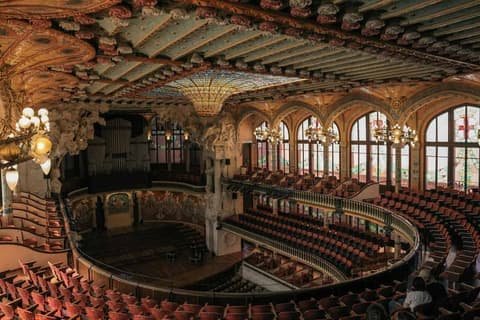
- Day 5: Barceloneta, the waterfront and Palau de la Música Catalana.
- Day 6: Deeper Barcelona or a day trip.
- Day 7: Markets, a favourite neighbourhood and an intentionally slow finish.
Day 1: Gothic Quarter and El Born
Start with the oldest part of the city. Plaça del Rei and the Barcelona history museum area give useful context before you disappear into the Gothic Quarter's lanes. From there, work south and east through the cathedral area, Plaça de Sant Felip Neri and toward El Born.
Spend the afternoon around Carrer de Montcada, Santa Maria del Mar and the lanes behind Passeig del Born. This is a day that works best on foot. La Rambla can be crossed or walked briefly, but it does not need to become the centre of the itinerary.

Day 2: Sagrada Família and the Eixample Gaudí circuit
Make Sagrada Família the main anchor of the day and book a timed entry before the trip. Give it enough room that the visit is not squeezed between other commitments.
Afterwards, move through Eixample toward Passeig de Gràcia. Casa Batlló, Casa Amatller, Casa Lleó Morera and La Pedrera form a natural modernist circuit along the same broad axis. You do not need to buy entry to every building. Choose the interiors you care about most and treat the rest as part of the walk.
This is one of the busiest days of the week, so avoid adding a distant evening attraction just because there is an empty box on the schedule.
Day 3: Park Güell and Gràcia
Use a timed Park Güell entry as the morning anchor, then walk down into Gràcia rather than immediately jumping back onto the metro.
Gràcia is the right counterweight to the major Gaudí sites: neighbourhood squares, cafes, independent shops and a much more residential rhythm. If you want another architecture stop, Casa Vicens fits naturally here.

Day 4: Give Montjuïc a full day
Montjuïc is routinely underestimated. Treat it as a district rather than one attraction. The hill can easily hold a full day between Fundació Joan Miró, the Museu Nacional d'Art de Catalunya, gardens, viewpoints, Olympic sites and Montjuïc Castle.
Choose two or three major stops rather than trying to clear the hill. The value of Montjuïc is partly the space between institutions: terraces, gardens and views back over the city.
Day 5: Barceloneta, the waterfront and Palau de la Música
Use the waterfront when the weather suits it. A morning walk through Barceloneta and along the beach gives the day a different texture from the architecture-heavy first half of the week.
Later, return toward the centre for Palau de la Música Catalana. Its interior is one of Barcelona's great modernist spaces and pairs well with a return through El Born or a museum visit if you want a more cultural afternoon.
Day 6: Deeper Barcelona or a day trip
Keep one day deliberately flexible. If the city still has momentum, use it for places you skipped: Sant Pau, MACBA and CCCB, Palau Güell, more of El Born, or a neighbourhood you want to revisit at a slower pace.
If you want to leave Barcelona, use the day for a proper excursion rather than squeezing one into a morning. Montserrat, Sitges and Tarragona all work better when they are allowed to become the day's main event.
Day 7: Markets and a slow finish
The final day should have less ambition than the first six. Visit a market in the morning, return to a favourite neighbourhood, eat somewhere you noticed earlier in the week, and leave room for the place you discovered after the itinerary was already built.
Boqueria is easiest early. Mercat de Sant Antoni is another strong option if you want a more neighbourhood-oriented morning.
What to book before you arrive
- Sagrada Família: book an official timed entry.
- Park Güell monumental zone: reserve a timed slot if it is part of your plan.
- Casa Batlló or La Pedrera: book ahead if a specific time matters to you.
- A special restaurant or concert: reserve before the trip if it is a genuine priority.
Opening hours, ticket rules and prices change. Check the official venue before locking the day, especially for timed attractions.
Where to stay for this itinerary
Eixample is the easiest all-round base: central, well connected and convenient for the Gaudí day. El Born works well if you prefer a denser historic neighbourhood and want the old city close at hand.
Choose the hotel for the trip you actually want, not just for distance to one landmark. A slightly quieter base with good transport often produces a better seven-night stay than sleeping in the busiest part of the Gothic Quarter.
Common planning mistakes
- Putting Sagrada Família and Park Güell into one overloaded Gaudí sprint.
- Treating La Rambla as a half-day attraction.
- Giving Montjuïc only a couple of hours.
- Booking too many timed interiors on the same day.
- Crossing the city repeatedly instead of grouping neighbourhoods.
- Filling the final day instead of leaving room to revisit somewhere.
How to adapt the week
The verdict
One week is long enough to see Barcelona properly without turning every day into a race. The strongest version of the trip uses a few timed anchors, clusters everything else by area, and keeps Day 6 or Day 7 flexible enough to respond to weather and energy.
Frequently asked questions
Is 7 days too long in Barcelona?
No. Seven days gives you enough time for the major landmarks plus neighbourhood time, Montjuïc, the waterfront and either a day trip or a flexible day.
What should I book in advance in Barcelona?
Prioritise official timed entries for high-demand attractions such as Sagrada Família and Park Güell, plus any specific restaurant, concert or paid interior that matters to you.
Should I visit Sagrada Família and Park Güell on the same day?
You can, but a full week gives you no reason to rush them together. Separating them creates better neighbourhood days around Eixample and Gràcia.
How many days do I need for Montjuïc?
Allow most of a day if you want to combine museums, gardens, viewpoints and the castle without rushing.
What is the best area to stay for a week in Barcelona?
Eixample is the easiest all-round base for transport and central access. El Born is a strong alternative if you prefer a historic, denser neighbourhood.
Should I take a day trip during a 7-day Barcelona visit?
Only if you want one. Barcelona easily fills the week, but Day 6 can become a full-day trip to somewhere such as Montserrat, Sitges or Tarragona.