
EAST ASIA · SOUTH KOREA · 1–5 DAYS

Daegu.

Korea's fourth city — Seomun Market, Donghwasa Temple, and a working-city rhythm distinct from Seoul + Busan.
WHY DAEGU

Inland southern Korean city with strong market culture and Buddhist temple density nearby.

Daegu is the inland third city — fashion and textile hub, Korean medicine market (Yangnyeongsi), Apsan mountain on the south edge, and an emerging food scene built around its makchang (grilled tripe) and dongin-dong jjimgalbi. Two nights works as a focused stop between Seoul and Busan on the KTX line.

BEST TIME TO VISIT

April–May, October.

Mild for outdoor walking + market visits. Late March for cherry blossoms at Apsan + downtown. October for autumn foliage at Palgongsan + Donghwasa Temple. July–August brutal heat (often 35°C+); December–February cold but the indoor markets carry.

Practical

Practical

FROM TAE/PUS
Daegu small airport · or ICN 2 hr KTX
TRANSIT
Daegu metro · 3 lines + buses
TIPPING
Not expected
SEOMUN MARKET
Closes early evening; not a night market
SAFETY
Very low risk
WEATHER & CROWD
When Daegu is best
April through May and October are the sweet spot — mild temperatures, manageable crowds, cherry blossoms or autumn foliage. June rainy season; July–August famously hot (Daegu is one of Korea's hottest cities); December–February cold but the markets and temples stay open. Late March for the Daegu Cherry Blossom Festival.
★ APR · MAY · OCT
JAN
5°
-3°
FEB
8°
-1°
MAR
13°
4°
APR
20°
9°
MAY
25°
14°
JUN
28°
19°
JUL
30°
23°
AUG
31°
23°
SEP
26°
17°
OCT
22°
11°
NOV
14°
4°
DEC
7°
-1°
Trip fit

Daegu works best for…

Use these six planning lenses to decide whether the destination fits the shape, pace, and wider route you actually want to travel.

First trips to Daegu
Daegu suits Korea trips that want an inland counterweight to Seoul's density and Busan's coast — fashion, market culture, and Korean medicine heritage.
Short city breaks
Two nights — medicine market, night market, one Apsan or cathedral cluster.
Multi-stop routes
It works as a KTX mid-stop between Seoul (1 hr 40 min) and Busan (50 min) on a Korea rail route.
Balanced pacing
The city rewards a market-and-meal rhythm rather than monument hunting.
Food and neighborhoods
Dongin-dong jjimgalbi, Seomun Market makchang, and the Bangcheon Market modern cafés shape the trip.
Good trip pairings
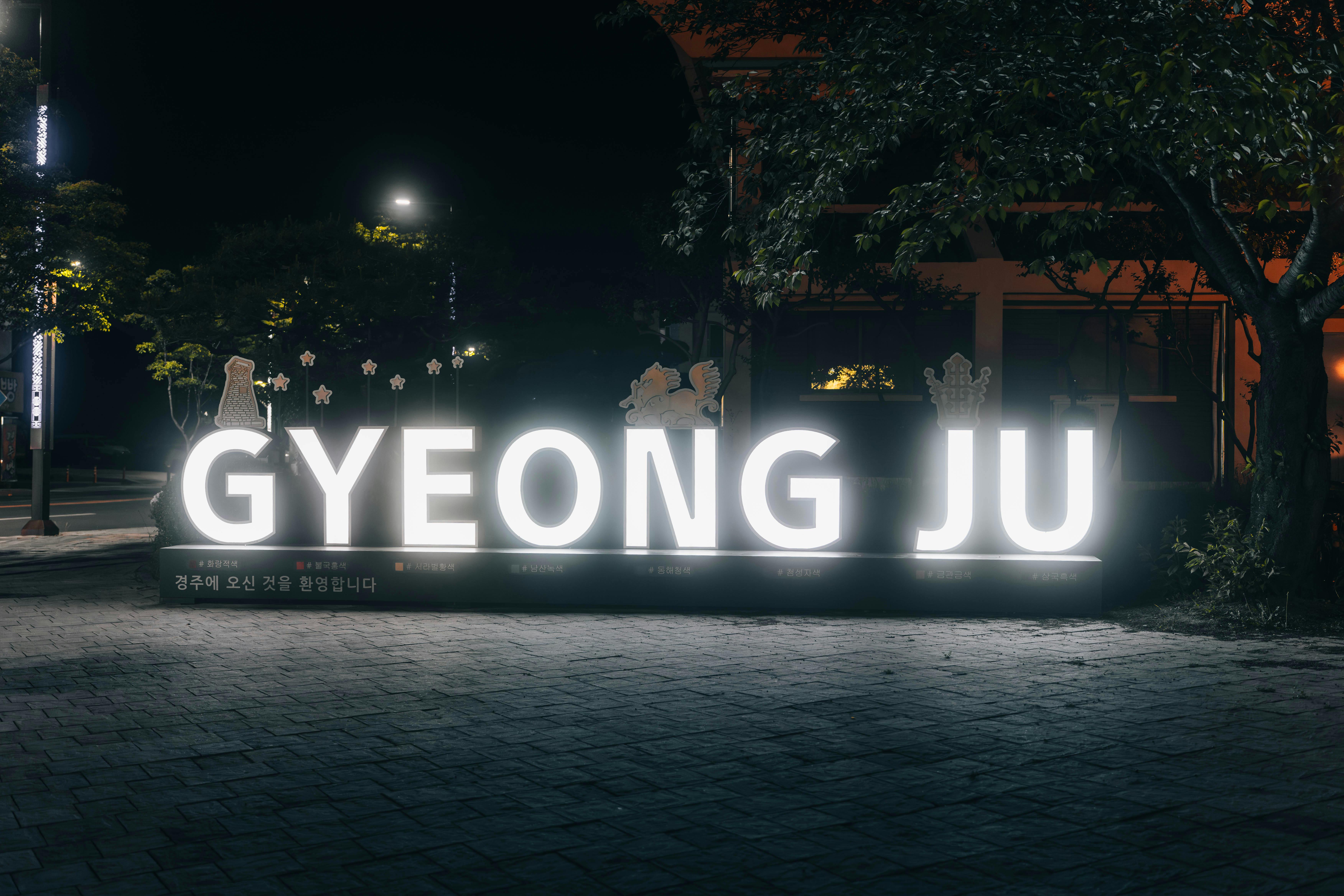
Pairs naturally with Gyeongju (40 min by train), Busan, or as a mid-stop on a Korea KTX route.
PLANNING NOTES
How to shape Daegu
01
Plan around the heat — avoid July and August unless you can take heavy midday breaks.
02
Pair Yangnyeongsi medicine market with the Seomun Night Market as one walking afternoon-into-evening block.
03
One to two nights is the right scale — Daegu rewards a focused visit rather than a long base.
Neighbourhoods

Neighbourhoods to know

5 distinct characters. Most strong Daegu trips pick a base, then layer two or three more.

Korea's largest market · iconic

Seomun Market + downtown

Central Daegu — Seomun Market (one of Korea's three largest traditional markets) with strong food + textile culture. Walkable in a slow afternoon; the canonical Daegu working block.

Shopping · younger · evening

Dongseongno

Daegu's main shopping pedestrian street — younger crowd, cafés, bars, K-pop street performers on weekends. Strong evening rhythm.

SORTIE PLACEApsan Mountain area
Hike · cable car · views

Apsan Mountain area

Southern Daegu — Apsan Park with hiking trails, observation tower, cable car. Strong half-day nature pivot.

Mountain · temple · slow

Donghwasa Temple area

Northern Daegu in the Palgongsan range — Donghwasa Temple complex, Gatbawi rock (one of Korea's most prayed-to Buddha statues). Strong full-day temple + mountain day.

Lake · slow · suburban

Suseong Lake

Eastern Daegu — recreational lake with cafés, paddleboats, fountain shows. Strong slow afternoon pivot, especially for families.

Top sights

Top sights in Daegu

A focused starting set of anchors to help shape the destination into real days.

SORTIE PLACESonggwangmae Memorial Museum
01
Songgwangmae Memorial Museum
Songgwangmae Memorial Museum is a landmarks. It is best understood through the local role it plays in the surrounding area.
60–90 min
SORTIE PLACESeomun Market
02
Seomun Market
Seomun Market is a shopping_markets. It is best understood through the local role it plays in the surrounding area.
60–90 min
SORTIE PLACESeomun Market
03
Seomun Market
Seomun Market is a place to explore in Daegu.
60–90 min
SORTIE PLACESonggwangmae Memorial Museum
04
Songgwangmae Memorial Museum
Songgwangmae Memorial Museum is a place to explore in Daegu.
60–90 min
Day trips

Day trips from Daegu

Half-day and full-day extensions that work without breaking the rhythm of a Daegu-anchored trip.

Half day

Donghwasa Temple

1 hour north by bus — major Buddhist temple complex with Gatbawi rock statue. Strong half-day Buddhist-temple pivot.

SORTIE PLACEAndong Hahoe Village
Full day

Andong Hahoe Village

1 hour north — UNESCO-listed traditional Joseon-era village. Strong full-day traditional-architecture pivot.

Full day

Gyeongju

45 minutes east by bus — Silla-dynasty heritage city. Easy day trip; strong full-day historical pivot.

SORTIE PLACEBukyeong-do Beach
Half day

Bukyeong-do Beach

Coastal east — quieter beach areas for a swimming summer pivot.

Tours & Experiences

Browse current Daegu availability on Viator while curated picks are being added.

SORTIE PLACEPopular Daegu tours

Popular Daegu tours

Browse bookable experiences currently available for Daegu.

SORTIE PLACEDaegu sightseeing

Daegu sightseeing

Browse guided sightseeing around Daegu's landmarks and local highlights.

SORTIE PLACEPrivate Daegu experiences

Private Daegu experiences

Browse private and small-group options for a more flexible day in Daegu.

SORTIE PLACEDay trips from Daegu

Day trips from Daegu

Browse bookable half-day and full-day excursions around Daegu.

SUGGESTED ITINERARIES
Itineraries for Daegu
Public itineraries for Daegu are still being added. Start a new trip and Sortie will shape day pacing, anchor sequencing, and neighborhood blocks for you.
Start a trip
People who planned Daegu also looked at

Related destinations

Daegu FAQ

Things travellers usually want to know before Daegu.

How many days do you need in Daegu?

One to two nights. One day Seomun Market + Dongseongno + Apsan, optional second for Donghwasa Temple or Andong Hahoe Village pivot. The city's main draws fit a single day; more than two nights without a serious side trip and the rhythm repeats.

Is Daegu worth visiting?

As a standalone trip, marginally — Daegu's main draws are Seomun Market, Donghwasa Temple, and a working-city rhythm that's distinct from Seoul and Busan. Strong as a stop on a 7+ day southern Korea route (Seoul + Daegu + Gyeongju + Busan) or as the canonical Korean working-city counterweight to capital tourism.

Where should you stay?

Around Dongseongno for first-time downtown access — easy walking to Seomun Market, restaurants, bars. The metro line connects most major sites in 30 minutes. Avoid hotels in suburban industrial districts unless price is the only factor.

Is Seomun Market worth visiting?

Yes — one of Korea's three largest traditional markets (with Namdaemun in Seoul and Bupyeong in Incheon). Strong food culture (the night market section opens 7pm in summer with serious street food), textile + Korean traditional medicine sections during the day. Allow 2–3 hours; the canonical Daegu anchor.

Should I visit Donghwasa Temple?

Yes — major Buddhist temple complex in the Palgongsan range north of Daegu. The Gatbawi rock statue is one of Korea's most-prayed-to Buddha images (locals come for university entrance exam wishes). Strong half-day pivot; allow 4 hours including bus transit.

Is Daegu really that hot in summer?

Yes — Daegu's basin geography traps heat, and July–August routinely hits 35°C+. Locals joke about it. The market visit + Apsan hike are brutal in midday peak heat. Plan summer visits around early-morning + late-afternoon activities; the city is much more pleasant in spring + autumn.

Should I combine Daegu with Gyeongju?

Yes — 45 minutes east by bus. Strong combination as 2 nights Daegu + 1 night Gyeongju, or both as day trips from a southern Korea base. Daegu adds working-city texture to Gyeongju's historical focus.

What's the biggest planning mistake?

Planning Daegu as a 3+ night dedicated stay. The city is real but compact; one full day covers the major draws, and a second day depends on side-trip willingness. Better to combine with Gyeongju + Busan as a southern Korea sequence.

Ready when you are

Plan your Daegu trip, properly.

A clean itinerary in under five minutes — anchors, dwell times, walking distances, done properly.

Create your Daegu trip See an example trip
NO CREDIT CARD · 2 MIN TO START