

EAST ASIA · JAPAN · 1–5 DAYS

Kyoto.

Slower than Tokyo, more concentrated than people expect. Best done on foot and bike, by quarter, before 9am.
WHY KYOTO

Kyoto earns the visit.

Kyoto works best as a city-first stop in Japan — pick one neighborhood as your base, anchor a strong half-day, and let the rest of the trip unfold from there. The shape that holds up is anchor → neighborhood → meal → repeat, not a checklist of every famous spot.
BEST TIME TO VISIT

Late March, April, November.

Sakura late-March to early-April is Kyoto's signature window — also the most expensive and crowded. November autumn leaves are nearly as good. Summer is humid and unforgiving.

Practical

Practical

FROM AIRPORT
75 min from Osaka KIX
TRANSIT
Bus + bike · subway thin
TIPPING
Never · it's rude
TEMPLE HOURS
9am open · close 5pm
SAFETY
Extremely safe
WEATHER & CROWD
When Kyoto's best
Cherry blossom (late March–early April) and momiji (mid–late November) are the standout windows. Both are spectacular and crowded. Summer is brutally humid; winter is cold but very quiet and atmospheric.
★ APR · OCT · NOV
JAN
8°
1°
FEB
10°
1°
MAR
15°
4°
APR
21°
9°
MAY
26°
14°
JUN
29°
19°
JUL
33°
23°
AUG
34°
24°
SEP
29°
20°
OCT
22°
13°
NOV
17°
7°
DEC
11°
3°
Trip fit

Kyoto works best for…

Use these six planning lenses to decide whether the destination fits the shape, pace, and wider route you actually want to travel.

First trips to Kyoto
If this is your first visit, lock in one anchor stop, one walking neighborhood, and one good meal each day — that rhythm scales cleanly from a long weekend up to a full week.
Short city breaks
Kyoto reads well even on a 1-day stop if you commit to a tight radius and keep transit legs short. Pick one anchor and one secondary block per day, not three.
Multi-stop routes
As an anchor in a wider Japan or regional route, Kyoto pairs best with one slower second stop rather than three quick hops — protect at least two full days here.
Balanced pacing
Planning a 1–5-day stay works when each day has one anchor, one walking block, and real downtime. Stacking anchors back-to-back is what burns out trips here.
Food and neighborhoods
Move between neighborhoods on foot when you can — that's where Kyoto earns its reputation. Build meals into the route rather than treating them as separate errands.
Good trip pairings
Kyoto is strongest when paired with one slower regional stop or a coastal/countryside leg, so the trip alternates dense city days with quieter recovery time.
PLANNING NOTES
How to shape Kyoto
01
Pick one neighborhood as your base for the whole stay so days don't fragment across long crosstown legs.
02
Front-load one strong anchor in the morning, then keep afternoons softer with food, walking, and slower neighborhood time.
03
If you only have 1–5 days, treat the suggested itineraries as a structure to trim from, not a list to complete.
Neighbourhoods

Neighbourhoods to know

5 distinct characters. Most strong Kyoto trips pick a base, then layer two or three more.

SORTIE PLACEHigashiyama
Old Kyoto · temples

Higashiyama

The eastern hills — Kiyomizu-dera, Yasaka Shrine, the Sannenzaka and Ninenzaka lanes. Most travellers' first half-day. Walk it before 8am to avoid crowds.

SORTIE PLACEGion
Geisha district

Gion

Most-photographed Kyoto. Best at dusk when paper lanterns light up. Quiet morning walks are also strong; avoid the touristy noon crowd.

SORTIE PLACEArashiyama
Bamboo · river · west Kyoto

Arashiyama

Bamboo grove, Tenryū-ji temple, the Hozugawa river. Half-day if you go early — by 10am the bamboo path is shoulder-to-shoulder.

SORTIE PLACEPontochō & Kawaramachi
Central · dining

Pontochō & Kawaramachi

Kamogawa riverfront strip — covered alley of restaurants, izakaya, and modern dining. Best evening neighbourhood and the most practical base.

SORTIE PLACEFushimi
Inari shrine · south Kyoto

Fushimi

The orange torii gates at Fushimi Inari. Free, open 24 hours, best at dawn or after dark when crowds thin and the path feels ceremonial.

Top sights

Top sights in Kyoto

A focused starting set of anchors to help shape the destination into real days.

SORTIE PLACEKiyomizu-dera
01
Kiyomizu-dera
Core Kyoto temple anchor.
75-105 min
SORTIE PLACEArashiyama
02
Arashiyama
Arashiyama is a public landmark in Kyoto, 616-0007 tied to the civic or historic identity of the surrounding area. It is usually more meaningful for its setting, symbolism, or urban role than for a single exhibit or venue experience.
60–90 min
SORTIE PLACEGinkaku-ji
03
Ginkaku-ji
This 15th-century Zen temple features picturesque gardens & a sand mound shaped like Mount Fuji.
60–90 min
SORTIE PLACEJapan
04
Japan
Japan is a Nature in Kyoto.
60–90 min
SORTIE PLACEKyoto Seishū Netsuke Art Museum
05
Kyoto Seishū Netsuke Art Museum
Kyoto Seishū Netsuke Art Museum is a museums. It is best understood through the local role it plays in the surrounding area.
60–90 min
SORTIE PLACEKyoto Shibori Museum
06
Kyoto Shibori Museum
Kyoto Shibori Museum is a museums. It is best understood through the local role it plays in the surrounding area.
60–90 min
Day trips

Day trips from Kyoto

Half-day and full-day extensions that work without breaking the rhythm of a Kyoto-anchored trip.

Half day

Nara

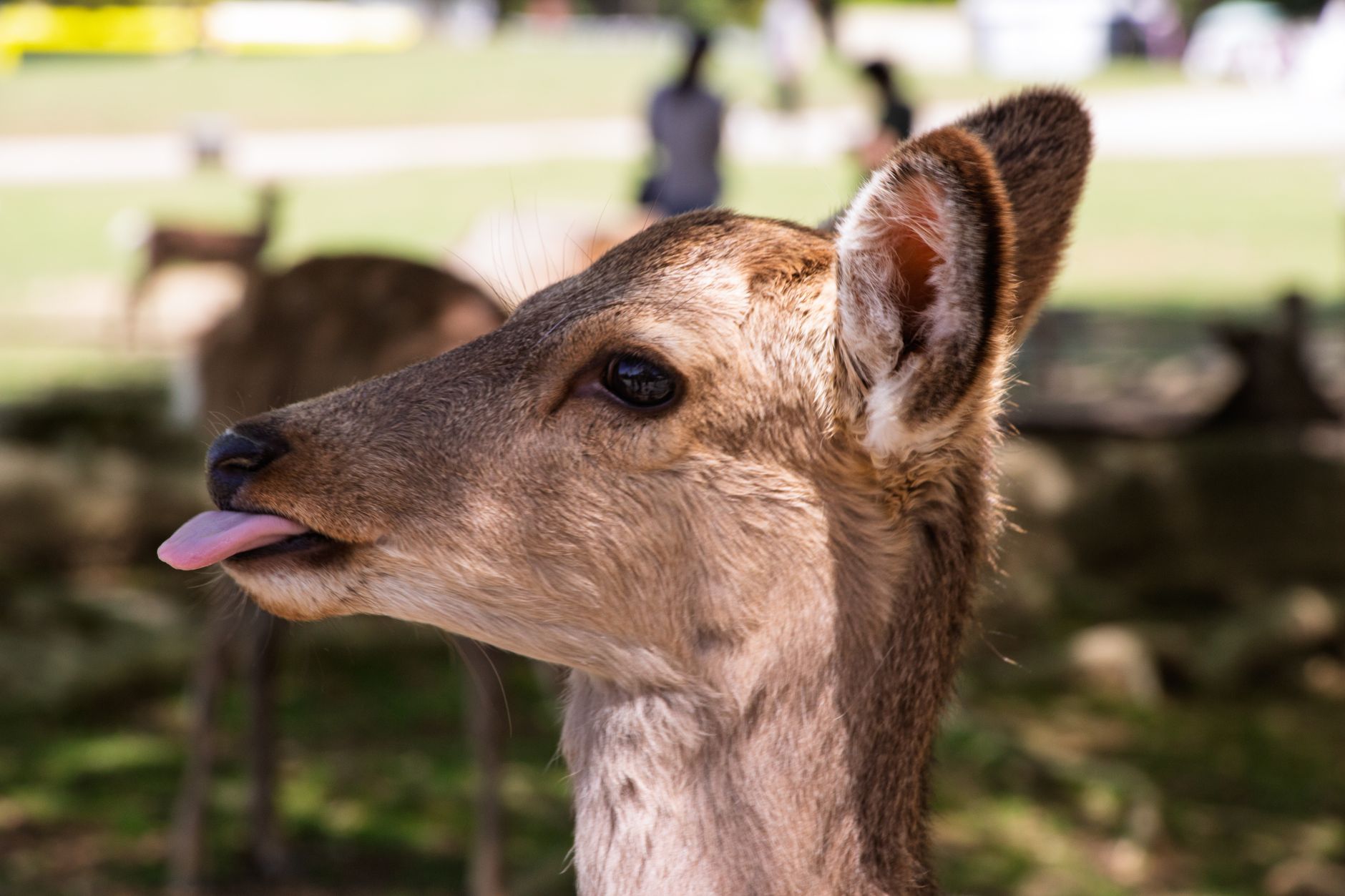
Tōdai-ji, Kasuga Shrine, the wandering deer. 45 min by train. The classic Kyoto day trip — half a day works if you start early.

SORTIE PLACEOsaka
Full day

Osaka

15 min by Shinkansen. Loud food-first city — Dotonbori for nightlife, Kuromon market for daytime. Best treated as a contrast day from Kyoto's restraint.

SORTIE PLACEHiroshima & Miyajima
Full day or 1 night

Hiroshima & Miyajima

1 hr 40 min by Shinkansen. The Peace Memorial plus Miyajima's floating torii. Long for a day trip — better as an overnight if you have it.

SORTIE PLACEUji
Half day

Uji

Byōdō-in temple and matcha country. 20 min by train. The quiet alternative to Nara — fewer tourists and stronger tea.

Tours & Experiences

Browse current Kyoto availability on Viator while curated picks are being added.

SORTIE PLACEPopular Kyoto tours

Popular Kyoto tours

Browse bookable experiences currently available for Kyoto.

SORTIE PLACEKyoto sightseeing

Kyoto sightseeing

Browse guided sightseeing around Kyoto's landmarks and local highlights.

SORTIE PLACEPrivate Kyoto experiences

Private Kyoto experiences

Browse private and small-group options for a more flexible day in Kyoto.

SORTIE PLACEDay trips from Kyoto

Day trips from Kyoto

Browse bookable half-day and full-day excursions around Kyoto.

Suggested itineraries

Suggested itineraries for Kyoto

Featured public trips that already line up with this destination, so you can start from a route that has real structure.

Kyoto — Highlights in 1 Day
Highlights1 days6 stops
Starter 1-day Kyoto itinerary with clustered routing, paced dwell times, and realistic travel legs.
View itinerary
Kyoto — Classic City Break in 2 Days
Classic2 days12 stops
Starter 2-day Kyoto itinerary with clustered routing, paced dwell times, and realistic travel legs.
View itinerary
Kyoto — Classic City Break in 3 Days
Classic3 days18 stops
Starter 3-day Kyoto itinerary with clustered routing, paced dwell times, and realistic travel legs.
View itinerary
People who planned Kyoto also looked at

Related destinations

Kyoto FAQ

Things travellers usually want to know before Kyoto.

How many days do you need in Kyoto?

Three to four nights is the sweet spot. Two days is enough for the absolute headlines (Kiyomizu, Fushimi, Arashiyama, Kinkaku-ji) but feels rushed. Four days lets you add Nara or Osaka without sacrificing temple rhythm.

Where should you stay in Kyoto?

Pontochō, Kawaramachi, or Gion for first-time visitors — central, walkable to dining, manageable to most major sights. Staying near Kyoto Station is convenient for Shinkansen arrivals but a long way from the atmospheric old quarters.

Should you stay in a ryokan?

At least one night, yes. Kyoto's traditional ryokan are some of the best in Japan — tatami rooms, kaiseki dinners, onsen baths. Book months ahead in sakura or kōyō season; prices spike sharply for both windows.

How do you get around Kyoto?

Buses, bikes, and walking. The subway is thin — most temples aren't on a subway line. The all-day bus pass is the standard tool, and renting a bike for one day opens up Arashiyama and the philosopher's path beautifully.

When are the cherry blossoms?

Usually late March to early April, with peak (mankai) usually around April 1–7. Exact timing shifts year to year by about a week. Plan flexibility into the back half of your trip rather than committing dates a year ahead.

Is Kyoto walkable?

Within quarters, yes — Higashiyama, Gion, and Pontochō are all walking territory. Between quarters, you'll need buses or a bike. The city is far smaller than Tokyo and the eastern hills cluster of temples reads well on foot.

How do you avoid the temple crowds?

Go early — most temples open at 9am but the truly photographed spots (Kiyomizu approach, Fushimi torii path, Arashiyama bamboo grove) are best at 7–8am before tour groups arrive. The mid-afternoon is the worst window.

Should you combine Tokyo and Kyoto?

Yes — it's the classic Japan trip. They complement each other: Tokyo for density, neighbourhood diversity, food range; Kyoto for slower temple rhythm, traditional crafts, ryokan stays. Most first-time trips do five nights Tokyo and three nights Kyoto.

Ready when you are

Plan your Kyoto trip, properly.

A clean itinerary in under five minutes — anchors, dwell times, walking distances, done properly.

Create your Kyoto trip See an example trip
NO CREDIT CARD · 2 MIN TO START