
EAST ASIA · JAPAN · 1–7 DAYS

Tokyo.

The world's densest city, navigated as a network of villages — Shibuya, Shinjuku, Asakusa, Yanaka, all distinct trips.
WHY TOKYO

Tokyo earns the visit.

Tokyo is a district-city. The trip works best when each day has one clear zone focus and a transit rhythm that leaves room for food and evening neighborhood exploration.

BEST TIME TO VISIT

Late March, April, November.

Sakura late-March to early-April, kōyō (autumn leaves) late-October to mid-November. Both windows are crowded but unmatched. Summer is humid and grey; winter is dry and cheap.

Practical

Practical

FROM AIRPORT
Narita Exp · 1h to Shinjuku
TRANSIT
Suica card · IC pass
TIPPING
Never · it's rude
DINNER HOURS
6–10pm · last orders early
SAFETY
Extremely safe · 24h
WEATHER & CROWD
When Tokyo's best
Late March–April (sakura) and October–November (kōyō) are the headline windows. June–early July is rainy season; August is hot and humid; January is cold but bright and very quiet.
★ APR · OCT · NOV
JAN
10°
2°
FEB
11°
3°
MAR
14°
6°
APR
19°
11°
MAY
23°
15°
JUN
26°
19°
JUL
30°
23°
AUG
32°
24°
SEP
28°
21°
OCT
22°
15°
NOV
17°
9°
DEC
12°
4°
Trip fit

Tokyo works best for…

Use these six planning lenses to decide whether the destination fits the shape, pace, and wider route you actually want to travel.

First trips to Tokyo
Tokyo works for first-time Japan trips when you want one city to combine food depth, pop culture, tradition, and high-function transit.
Short city breaks
Four to six nights is a strong range for mixing district highlights with slower food-led evenings.
Multi-stop routes
It is a reliable route anchor for wider Japan trips because domestic transport links are excellent and planning flexibility is high.
Balanced pacing
The city suits travelers who enjoy structured daytime district blocks followed by looser nighttime food and neighborhood plans.
Food and neighborhoods
Tokyo is best when meals and district character matter; different neighborhoods can make each day feel distinct.
Good trip pairings
It pairs naturally with Kyoto, Osaka, or Hakone depending on whether you want culture depth, food intensity, or slower scenery.
PLANNING NOTES
How to shape Tokyo
01
Plan by district pairs like Shibuya + Harajuku or Asakusa + Ueno rather than crossing the city repeatedly.
02
Reserve evening bandwidth for food neighborhoods since many of Tokyo’s best moments are after dark.
03
Use one lighter day to balance dense station transfers and high-output sightseeing blocks.
Neighbourhoods

Neighbourhoods to know

5 distinct characters. Most strong Tokyo trips pick a base, then layer two or three more.

Skyscrapers · nightlife · Omoide Yokocho

Shinjuku

The city's biggest station and a transit hub. Useful base — every train you need passes through. Golden Gai and Omoide Yokocho for evenings.

The scramble · younger Tokyo

Shibuya

Iconic crossing, fashion, music, late-night ramen. Better visited at night than slept in — Shinjuku is calmer as a base.

Old Tokyo · Senso-ji

Asakusa

The traditional anchor — Senso-ji temple, Nakamise shopping street, low-rise old streets. Strong half-day, especially early morning.

Quiet · old-Tokyo lanes

Yanaka & Nezu

Survived the war and the bubble — Tokyo's most atmospheric old neighbourhood. Cemetery walks, small temples, tiny coffee bars. Slow half-day.

Indie · vintage · cafés

Shimokitazawa

Younger, scrappier, low-rise. Best base for travellers under 35 who want to live in a neighbourhood rather than a hotel district.

Top sights

Top sights in Tokyo

A focused starting set of anchors to help shape the destination into real days.

01
Tsukiji outer market
A strong food-led morning block with easy handoff into nearby districts.
1.5-2 hours
SORTIE PLACEAmeyoko market
02
Ameyoko market
Ameyoko market is a public landmark in Taito City, Tokyo 110-0005 tied to the civic or historic identity of the surrounding area. It is usually more meaningful for its setting, symbolism, or urban role than for a single exhibit or venue experience.
60–90 min
03
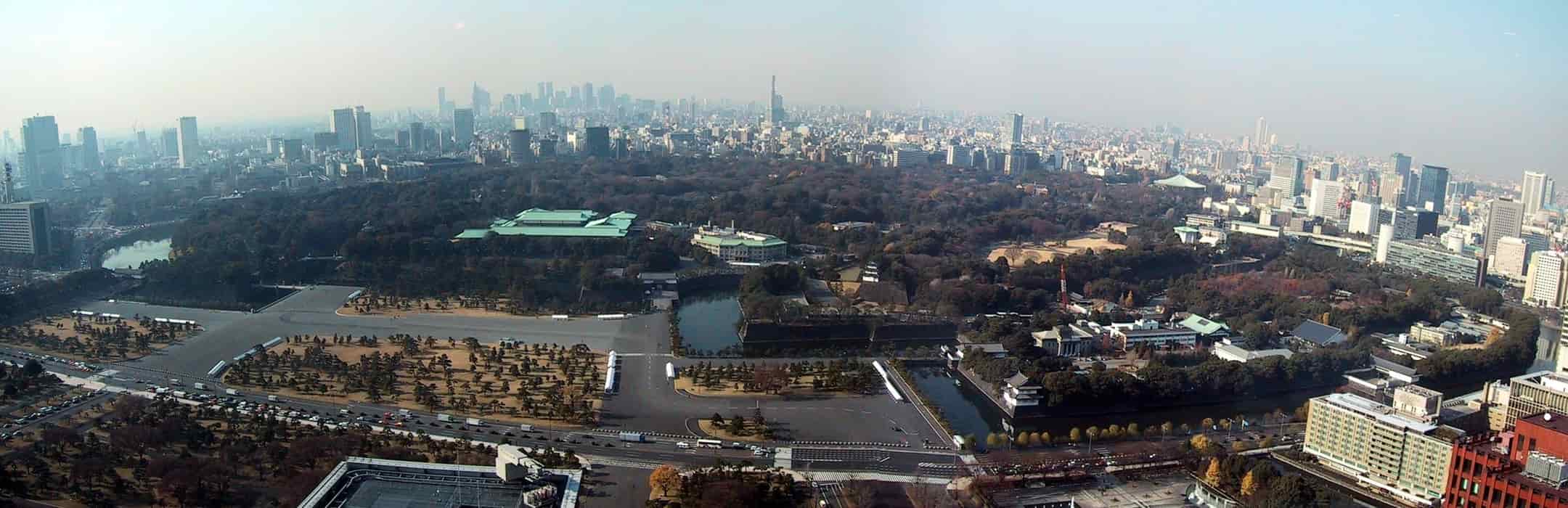
Imperial Palace East National Gardens
Imperial Palace East National Gardens is a large landscaped garden at 1-1 Chiyoda in Tokyo. Set within palace grounds first built in 1888, it includes remains of Edo Castle and offers visitors a nature-focused stop in central Tokyo.
60–90 min
SORTIE PLACEKasai Rinkai Park
04
Kasai Rinkai Park
Kasai Rinkai Park is an outdoor place in Edogawa City, Tokyo 134-0086 that offers a break from denser museums, dining, and city blocks. It is typically more about the setting, views, or atmosphere than a single headline attraction.
60–90 min
SORTIE PLACEKita-no-maru Park
05
Kita-no-maru Park
Kita-no-maru Park is an outdoor place in Chiyoda City, Tokyo 102-0091 that offers a break from denser museums, dining, and city blocks. It is typically more about the setting, views, or atmosphere than a single headline attraction.
60–90 min
SORTIE PLACEMuseum of Contemporary Art Tokyo (MOT)
06
Museum of Contemporary Art Tokyo (MOT)
Museum of Contemporary Art Tokyo (MOT) is a museum in Koto City, Tokyo 135-0022 with a stronger art, history, or culture focus. It is usually defined by its collections, exhibitions, or the character of the building itself.
60–90 min
Day trips

Day trips from Tokyo

Half-day and full-day extensions that work without breaking the rhythm of a Tokyo-anchored trip.

Full day

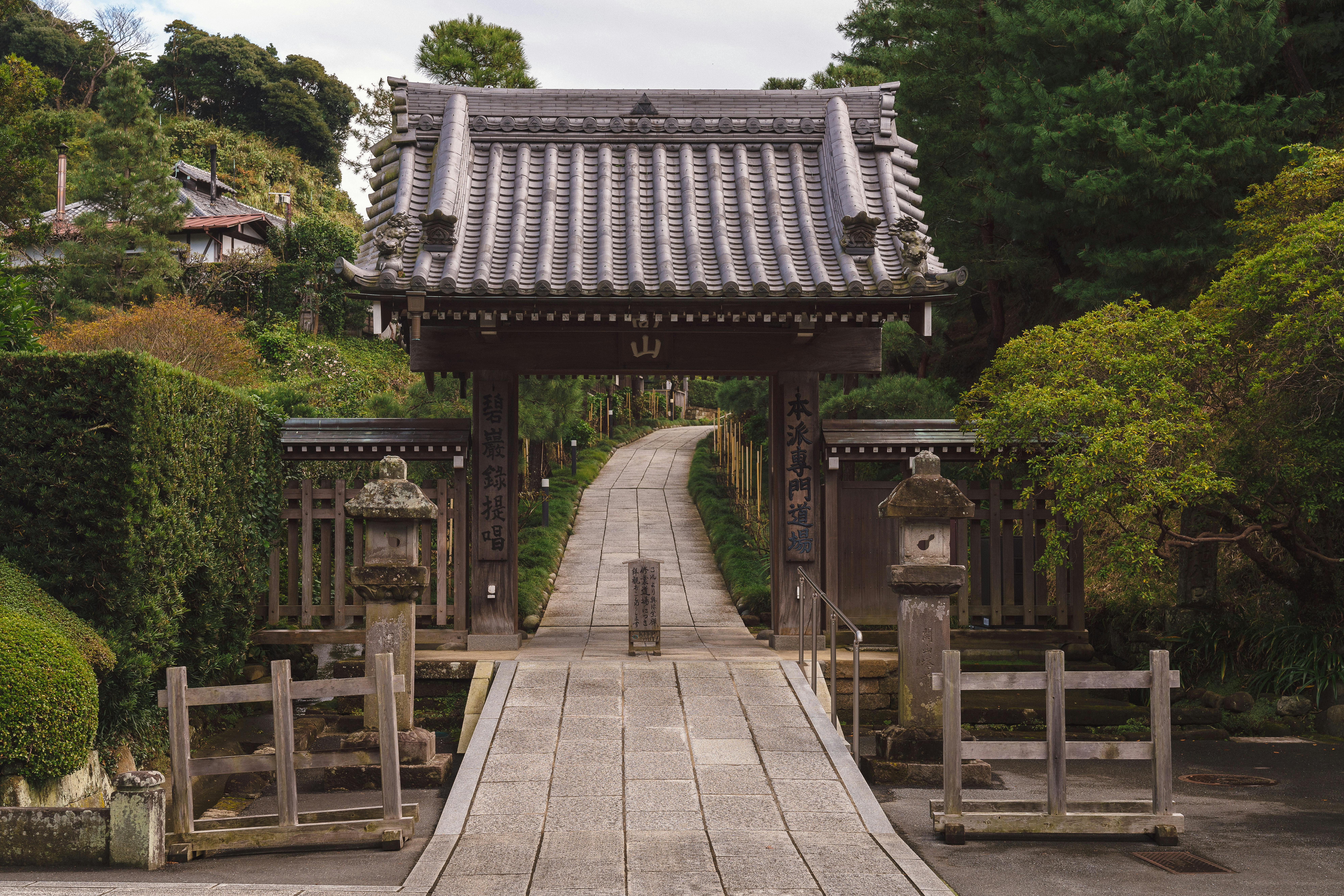
Kamakura

Coastal old capital · 1 hr by train. Great Buddha, temples, hydrangeas in June. Strong day trip alternative to Hakone if you want temples without the onsen.

Full day

Nikko

Mountain shrines and waterfalls, 2 hrs by train. Tōshō-gū is the headline. Best as a long, slow full day — leave Tokyo by 8am.

1–2 nights

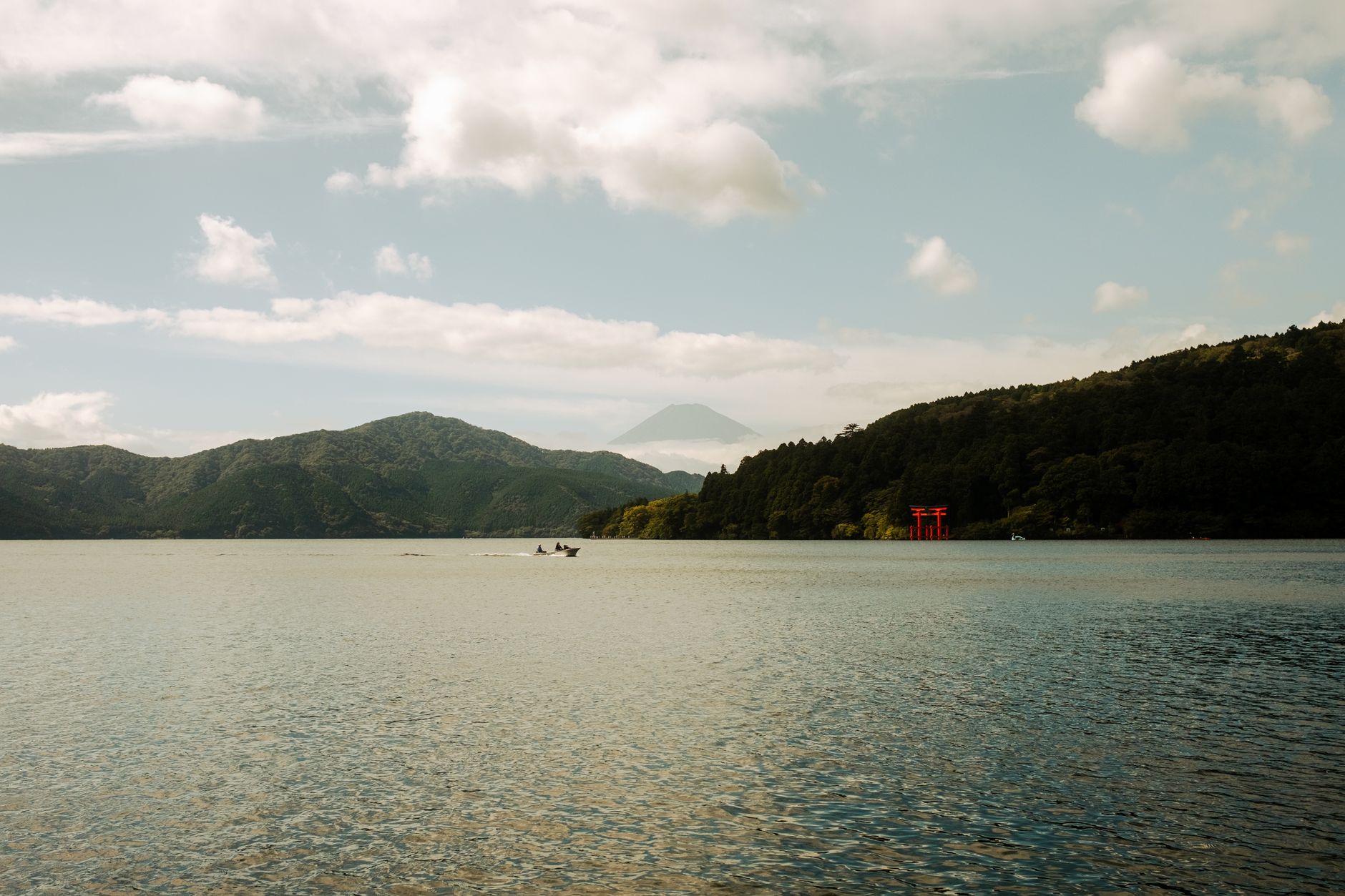
Hakone

Onsen and Mt Fuji views. Not really a day trip — best as an overnight ryokan stay using the Hakone Free Pass loop.

Half day

Yokohama

30 min by train. Chinatown, ramen museum, waterfront. The most casual extension if you want a quick break from Tokyo's density.

Tours & Experiences

Browse current Tokyo availability on Viator while curated picks are being added.

SORTIE PLACEPopular Tokyo tours

Popular Tokyo tours

Browse bookable experiences currently available for Tokyo.

SORTIE PLACETokyo sightseeing

Tokyo sightseeing

Browse guided sightseeing around Tokyo's landmarks and local highlights.

SORTIE PLACEPrivate Tokyo experiences

Private Tokyo experiences

Browse private and small-group options for a more flexible day in Tokyo.

SORTIE PLACEDay trips from Tokyo

Day trips from Tokyo

Browse bookable half-day and full-day excursions around Tokyo.

Suggested itineraries

Suggested itineraries for Tokyo

Featured public trips that already line up with this destination, so you can start from a route that has real structure.

Tokyo — Highlights in 1 Day
Highlights1 days6 stops
Starter 1-day Tokyo itinerary with clustered routing, paced dwell times, and realistic travel legs.
View itinerary
Tokyo — Classic City Break in 2 Days
Classic2 days12 stops
Starter 2-day Tokyo itinerary with clustered routing, paced dwell times, and realistic travel legs.
View itinerary
Tokyo — Classic City Break in 3 Days
Classic3 days18 stops
Starter 3-day Tokyo itinerary with clustered routing, paced dwell times, and realistic travel legs.
View itinerary
Tokyo — Culture + Landmarks in 4 Days
Culture4 days24 stops
Starter 4-day Tokyo itinerary with clustered routing, paced dwell times, and realistic travel legs.
View itinerary
Tokyo — First-Time Trip in 5 Days
First-time5 days30 stops
Starter 5-day Tokyo itinerary with clustered routing, paced dwell times, and realistic travel legs.
View itinerary
Tokyo — 1 Week in the City in 7 Days
7 days42 stops
Starter 7-day Tokyo itinerary with clustered routing, paced dwell times, and realistic travel legs.
View itinerary
People who planned Tokyo also looked at

Related destinations

Tokyo FAQ

Things travellers usually want to know before Tokyo.

How many days do you need in Tokyo?

Four to six nights for most first-time trips. Tokyo is too dense and too distributed to do in less; a long weekend only scratches one or two neighbourhoods. A full week starts to feel comfortable instead of efficient.

Where should you stay in Tokyo?

Shinjuku is the most practical base — every train you need passes through. Shibuya is more atmospheric but noisier. For a quieter, neighbourhood-feel stay, look at Asakusa, Nihonbashi, or Shimokitazawa.

Is the JR Pass worth it for Tokyo?

Not on its own — Tokyo runs on the subway and private rail (Tokyo Metro, Toei), neither of which the JR Pass covers. The pass is worth it when you add Shinkansen trips to Kyoto, Hiroshima, or Hakone.

Is Tokyo walkable?

Within neighbourhoods, very. Between neighbourhoods, no — the city is too large and the rail network too good to walk. Treat Tokyo as a network of walking villages connected by short train rides.

What's the best season for Tokyo?

Late March to early April (sakura) and late October to mid-November (autumn leaves) are the standout windows. Both are crowded and expensive. May, June (before rainy season), and September are quieter and still pleasant.

Do you need to book restaurants in advance?

For mid-range izakaya, no. For sushi omakase, kaiseki, or tasting-menu restaurants — yes, often weeks ahead. Tabelog and Pocket Concierge are the standard reservation routes; concierge help at higher-end hotels is genuinely worth using.

Is Tokyo expensive?

Cheaper than New York, London, or Paris for most things. Mid-range hotels, transit, and casual food are competitive or cheaper. Sushi omakase, Michelin dining, and ryokan stays are where costs climb sharply.

Can you travel Tokyo without speaking Japanese?

Yes. Major rail stations and tourist areas are very well signposted in English, restaurants have picture menus, and translation apps work fine. Smaller bars and family-run restaurants can be more limited but it's rarely a real obstacle.

How early should you start the day?

Earlier than you might expect — major sights like Senso-ji, the Tsukiji outer market, and popular cafés are at their best before 9am. By 11am most central neighbourhoods are tourist-dense.

Ready when you are

Plan your Tokyo trip, properly.

A clean itinerary in under five minutes — anchors, dwell times, walking distances, done properly.

Create your Tokyo trip See an example trip
NO CREDIT CARD · 2 MIN TO START