
EUROPE · BELGIUM · 1–3 DAYS

Brussels.

Belgium's bilingual capital — Grand-Place, Art Nouveau architecture, and the canonical EU institutional city.
WHY BRUSSELS

Mid-sized European capital with serious chocolate + waffle + frites culture + Magritte + Horta.

Brussels is compact and works best when you treat it as walkable neighborhood clusters with food-led pacing. The city rewards shorter focused routes more than overbuilt marathon sightseeing days.

BEST TIME TO VISIT

May–September.

Long days, mild enough for terrace season + Grand-Place rhythm. December for the Winter Wonders Christmas market. November–February reliably cold + rainy but the beer + chocolate scene carries year-round.

Practical

Practical

FROM BRU
20 min · airport train
TRANSIT
STIB · metro + tram + bus · day ticket
TIPPING
Round up · service included
BEER CAFÉS
Some run 100+ Belgian beers
SAFETY
Standard tourist caution · Gare du Midi
WEATHER & CROWD
When Brussels is best
May through September are the sweet spot — long days, mild temperatures, manageable crowds. December for the Winter Wonders Christmas market. November and February reliably cold and rainy but the beer cafés + chocolate scene + museum density carry indoor anchors.
★ MAY · JUN · JUL · AUG
JAN
6°
1°
FEB
7°
1°
MAR
11°
3°
APR
14°
6°
MAY
18°
9°
JUN
21°
12°
JUL
23°
14°
AUG
23°
14°
SEP
20°
11°
OCT
14°
8°
NOV
9°
4°
DEC
6°
2°
Trip fit

Brussels works best for…

Use these six planning lenses to decide whether the destination fits the shape, pace, and wider route you actually want to travel.

First trips to Brussels
Brussels suits first-time Belgium trips when you want one easy city base with strong food culture, grand architecture, and practical train links.
Short city breaks
Two to four nights is usually ideal because the city is compact but still rich enough to support slower food-first days.
Multi-stop routes
It works well as a routing anchor for Belgium and nearby capitals thanks to straightforward rail handoffs and a manageable city core.
Balanced pacing
The city suits travelers who prefer deliberate neighborhood pacing over long cross-city transit legs.
Food and neighborhoods
Brussels is strongest when markets, cafe pauses, beer bars, and dinner neighborhoods are treated as core planning anchors.
Good trip pairings
It pairs naturally with Bruges, Ghent, Paris, or Amsterdam for short rail-connected multi-city loops.
PLANNING NOTES
How to shape Brussels
01
Keep Grand Place, central galleries, and nearby food streets in one core block to avoid unnecessary transit churn.
02
Use one half-day around EU Quarter or parks to balance the old-center density.
03
Treat beer bars and dinner districts as part of the route shape, not afterthought add-ons at the end.
Neighbourhoods

Neighbourhoods to know

5 distinct characters. Most strong Brussels trips pick a base, then layer two or three more.

Medieval · iconic · busy

Grand-Place + Îlot Sacré

The UNESCO-listed Grand-Place plaza (one of Europe's most beautiful squares) plus the surrounding Îlot Sacré with narrow medieval streets, Manneken Pis. The canonical Brussels block.

Antiques · chocolate · upscale

Sablon

South of Grand-Place — Place du Grand Sablon antiques quarter + canonical chocolate shops (Wittamer, Pierre Marcolini). Strong upscale pivot.

Working · flea market · authentic

Marolles

South Brussels — Marolles flea market (daily on Place du Jeu de Balle), traditional cafés, working-class energy. Strong morning pivot.

Art Nouveau · cafés · slower

Saint-Gilles + Ixelles

South of centre — Art Nouveau architecture (Horta houses), café-and-bar scene, multicultural. Where contemporary Brussels lives.

EU institutions · modern

European Quarter

East — European Parliament + Commission buildings + Parc du Cinquantenaire. Strong half-day specialised visit for EU-curious travellers.

Top sights

Top sights in Brussels

A focused starting set of anchors to help shape the destination into real days.

01
Grand Place
The city's central anchor and best opening block for orientation and architecture.
1-2 hours
02
Manneken Pis
A central compact-city icon that helps distribute Top sights coverage across day splits.
45-75 min
03
Brussels museum
A central culture anchor used in compact Brussels templates when museums lead day-two structure.
75-105 min
SORTIE PLACEJosaphat Park
04
Josaphat Park
Josaphat Park is an outdoor place in Avenue Ambassadeur van Vollenhoven, Schaerbeek that offers a break from denser museums, dining, and city blocks. It is typically more about the setting, views, or atmosphere than a single headline attraction.
60–90 min
SORTIE PLACEMuseum of Erotics and Mythology of Brussels (MEM)
05
Museum of Erotics and Mythology of Brussels (MEM)
Museum of Erotics and Mythology of Brussels (MEM) is a museum in Brussels, Belgium with a stronger art, history, or culture focus. It is usually defined by its collections, exhibitions, or the character of the building itself.
60–90 min
SORTIE PLACEParkschool
06
Parkschool
Parkschool is an outdoor place in Brussels, Belgium that offers a break from denser museums, dining, and city blocks. It is typically more about the setting, views, or atmosphere than a single headline attraction.
60–90 min
Day trips

Day trips from Brussels

Half-day and full-day extensions that work without breaking the rhythm of a Brussels-anchored trip.

Half day

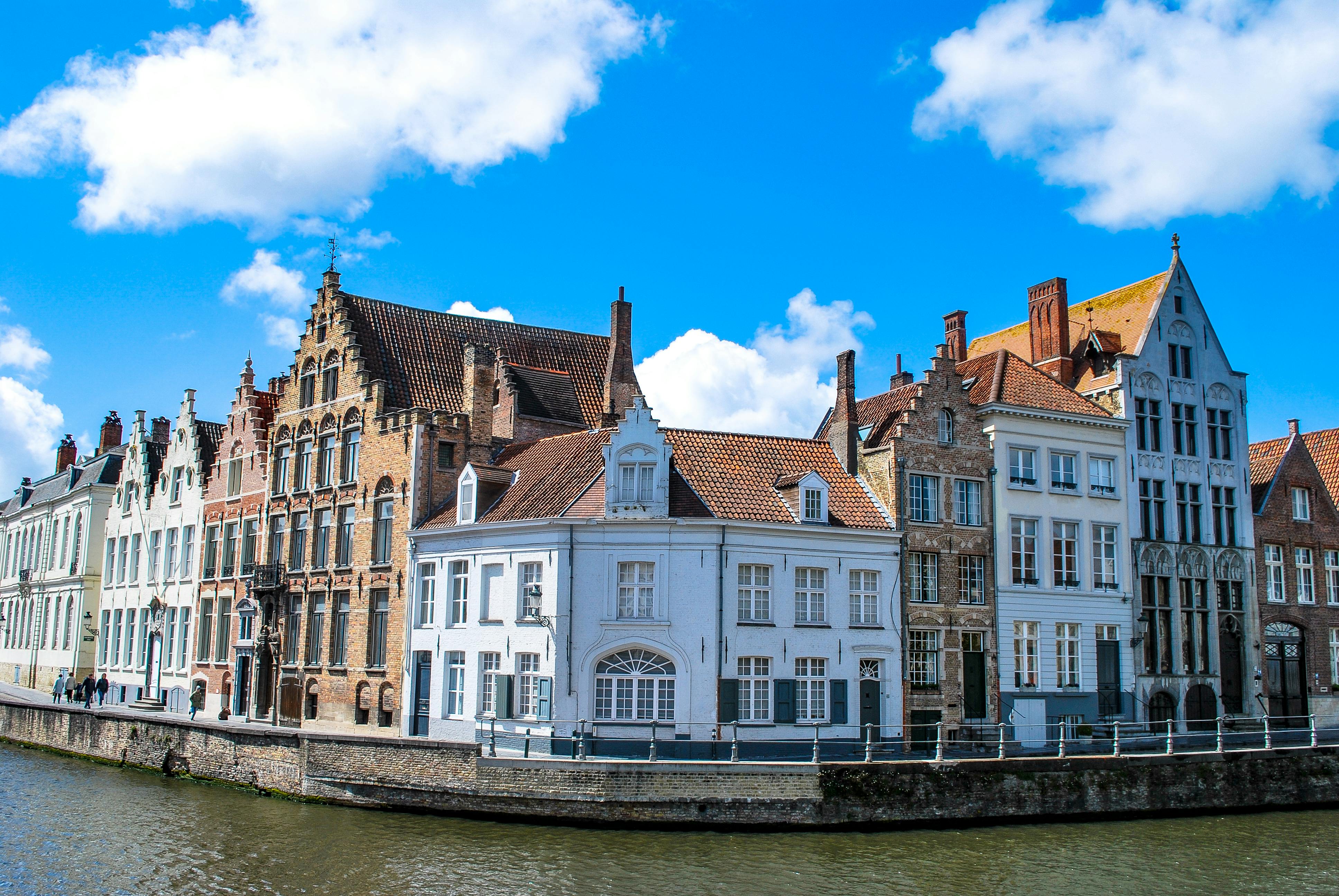
Bruges

1 hour by train — the canonical medieval Belgian town with canals and the Belfort. Easy day trip; better as overnight.

Half day

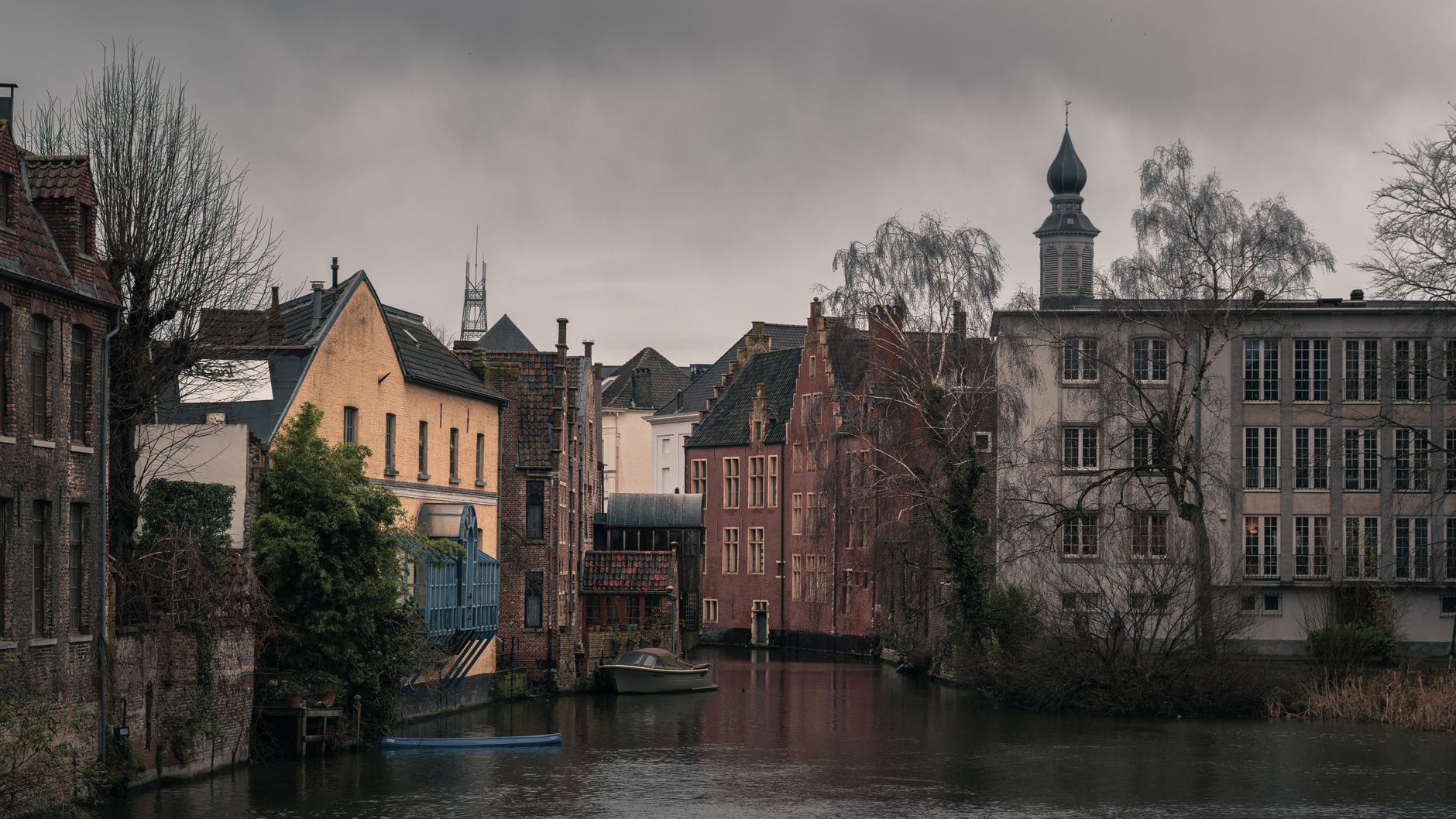
Ghent

30 minutes by train — Bruges's livelier sister city with Sint-Baafs Cathedral + Van Eyck altarpiece + younger university energy. Strong half-day pivot.

Half day

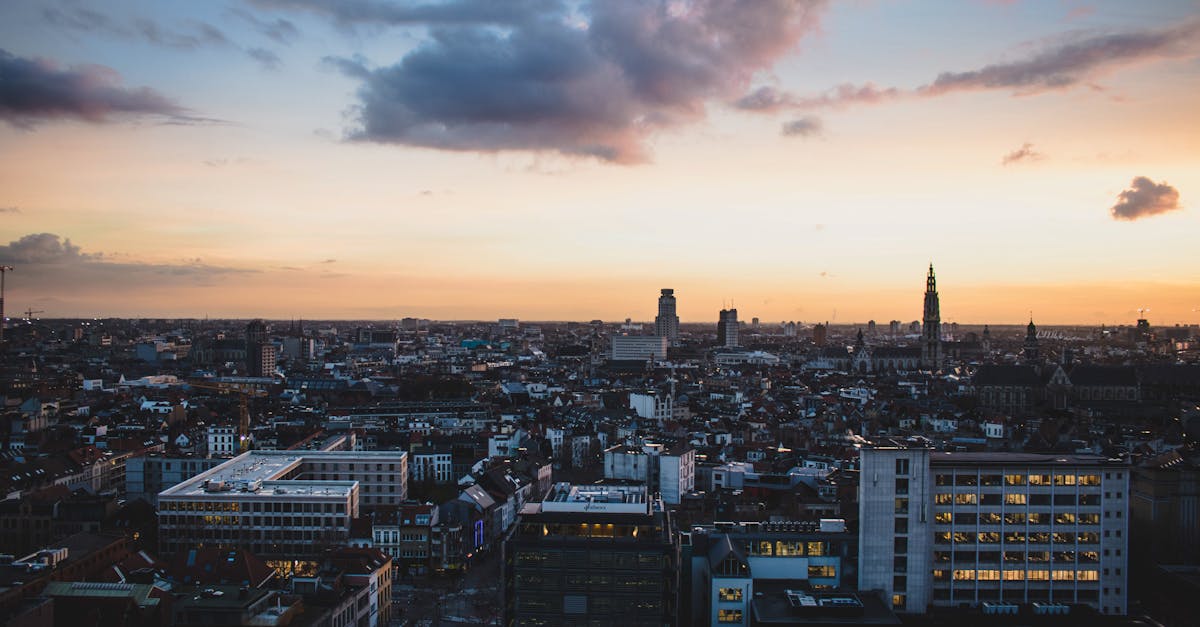
Antwerp

40 minutes by train — Belgium's diamond + fashion city with the Cathedral and contemporary art scene. Strong half-day pivot.

Half day

Waterloo battlefield

30 minutes south — Napoleonic battlefield with museum + climb to the Lion's Mound. Strong specialised half-day pivot.

Tours & Experiences

Browse current Brussels availability on Viator while curated picks are being added.

SORTIE PLACEPopular Brussels tours

Popular Brussels tours

Browse bookable experiences currently available for Brussels.

SORTIE PLACEBrussels sightseeing

Brussels sightseeing

Browse guided sightseeing around Brussels's landmarks and local highlights.

SORTIE PLACEPrivate Brussels experiences

Private Brussels experiences

Browse private and small-group options for a more flexible day in Brussels.

SORTIE PLACEDay trips from Brussels

Day trips from Brussels

Browse bookable half-day and full-day excursions around Brussels.

Suggested itineraries

Suggested itineraries for Brussels

Featured public trips that already line up with this destination, so you can start from a route that has real structure.

Brussels — Highlights in 1 Day
Highlights1 days6 stops
Starter 1-day Brussels itinerary with clustered routing, paced dwell times, and realistic travel legs.
View itinerary
Brussels — Classic City Break in 2 Days
Classic2 days12 stops
Starter 2-day Brussels itinerary with clustered routing, paced dwell times, and realistic travel legs.
View itinerary
Brussels — Classic City Break in 3 Days
Classic3 days18 stops
Starter 3-day Brussels itinerary with clustered routing, paced dwell times, and realistic travel legs.
View itinerary
People who planned Brussels also looked at

Related destinations

Brussels FAQ

Things travellers usually want to know before Brussels.

How many days do you need in Brussels?

Two to three nights. One day Grand-Place + Îlot Sacré + Manneken Pis + chocolate crawl, one day Saint-Gilles + Horta + Magritte Museum, optional third for Ghent or Bruges pivot. Less and the chocolate + beer + waffle layer gets cut; more without a side trip and the rhythm starts repeating.

Is Brussels worth visiting?

Yes — Brussels is more substantive than its reputation suggests, with serious Art Nouveau architecture (Horta houses), strong museums (Magritte, Royal Museums of Fine Arts), the canonical chocolate culture, and one of Europe's most beautiful squares (Grand-Place). Don't write it off as just an EU institutional city.

Where should you stay?

Around Grand-Place or Sablon for first-time access — walkable to canonical anchors. Saint-Gilles for the local + creative quarter rhythm with metro/tram to centre. Avoid hotels near Gare du Midi (Brussels-South Station) unless price is the only factor — the area is sketchier than the rest of the city.

Should I visit Manneken Pis?

Visit briefly as a cultural touchstone but expect to be underwhelmed — the famous statue is small (61 cm) and crowded. The fun is in the costumes (the statue gets dressed in 1,000+ outfits per year) and the surrounding cobblestone streets. 10-minute stop, not a destination.

What chocolate shop should I visit?

Sablon area concentrates the canonical Brussels chocolatiers — Wittamer (traditional), Pierre Marcolini (contemporary), Mary's Chocolatier (royal warrant), Neuhaus (invented the praline). Skip the airport chocolate; the difference is real. Strong morning chocolate crawl in Sablon.

Are the waffles really different?

Yes — Brussels waffles are rectangular, light, crisp, served with toppings; Liège waffles are denser, sweeter, caramelized. Both are Belgian. Try one of each: Maison Dandoy for traditional Brussels, Vitalgaufre for Liège-style. Strong canonical Belgian food experience.

Should I drink Trappist beer?

Yes — Belgium has 6 of the world's 14 Trappist breweries (Westmalle, Chimay, Orval, Westvleteren, Rochefort, Achel) plus a vast Lambic + Trappist + Abbey beer culture. Try Delirium Café (3,000+ beers) or À la Mort Subite (gueuze lambics). Strong evening rhythm.

What's the biggest planning mistake?

Treating Brussels as a 1-night EU institutional stop. The Grand-Place + Horta + Magritte + chocolate + waffles + beer combination needs at least 2 nights to land. Three nights minimum if you want to fit Ghent or Bruges as day trips.

Ready when you are

Plan your Brussels trip, properly.

A clean itinerary in under five minutes — anchors, dwell times, walking distances, done properly.

Create your Brussels trip See an example trip
NO CREDIT CARD · 2 MIN TO START