

How Many Days Do You Need in Kyoto?
How many days do you need in Kyoto? Compare two, three, four and five-day trips and learn why geographic clustering matters more than a giant temple list.
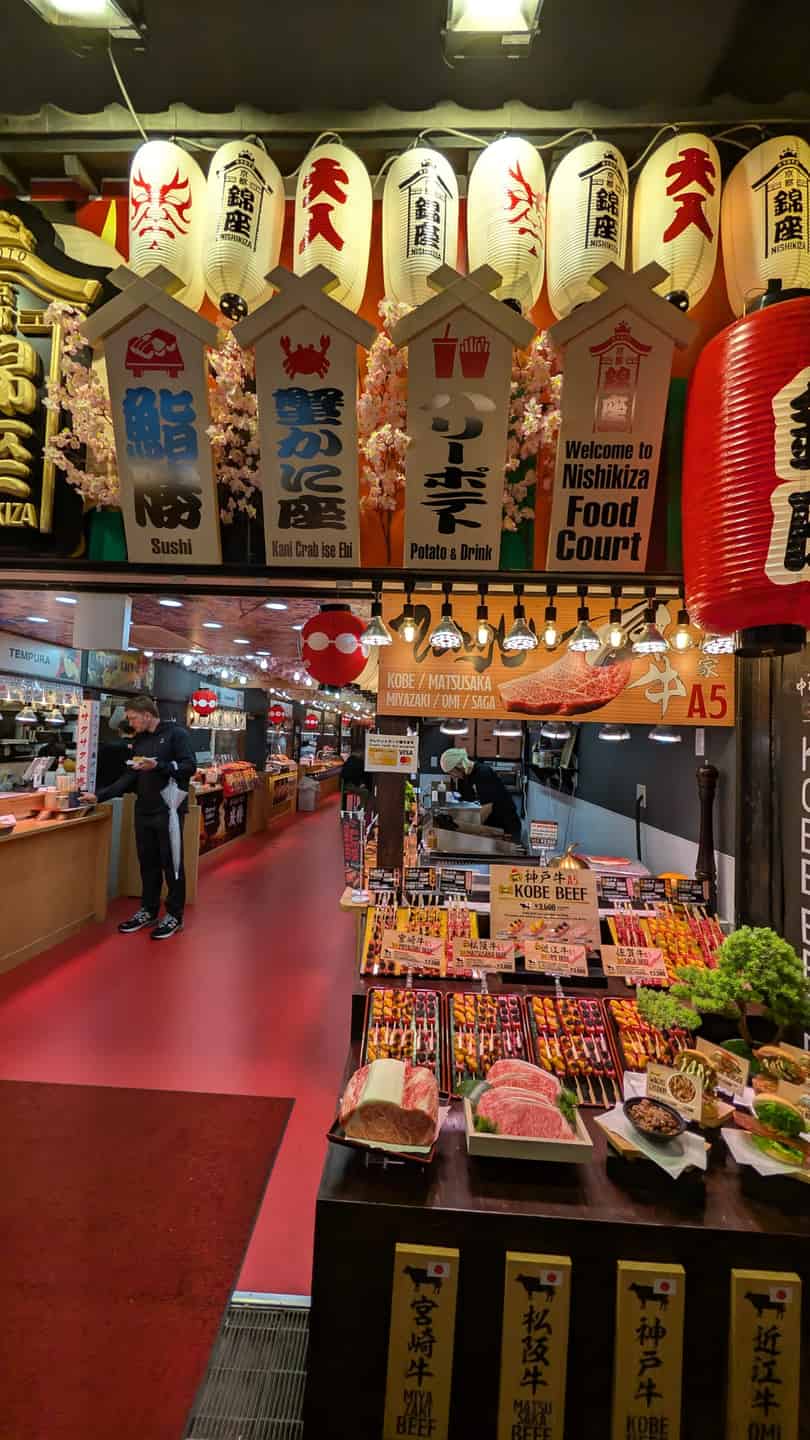
The short answer
Plan **four days in Kyoto** for the best first visit. Three days can cover the main eastern, central and western clusters if you start early and accept a tighter pace. Four days lets you separate Higashiyama/Gion, Arashiyama, northern temples and central Kyoto instead of crossing the city repeatedly.
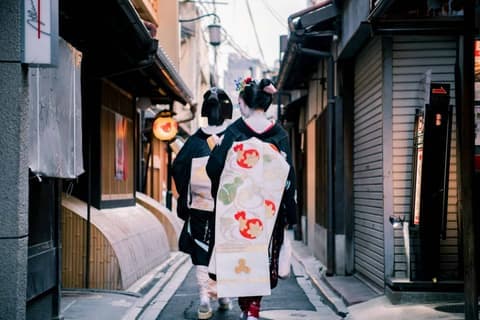
Kyoto trip length at a glance
Three days works if you cluster hard
Use one day for Higashiyama/Gion, one for Arashiyama and one for a northern or central cluster. The biggest mistake is mixing far-apart temples because the map makes Kyoto look denser than the bus/train transfers feel.
Four days is better
The fourth day gives you the luxury of depth: Philosopher's Path without racing to Arashiyama, northern temples without squeezing them around downtown shopping, or a slower neighbourhood day in Gion and central Kyoto.
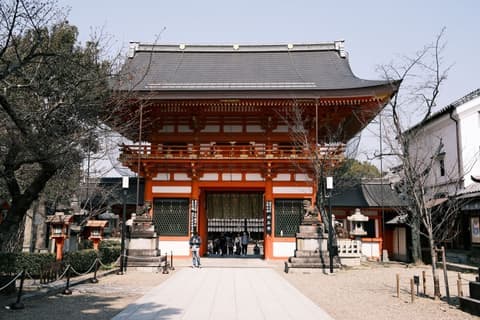
Five days and beyond
Five days makes sense for repeat visitors, temple lovers, seasonal gardens or when Kyoto becomes a base for Uji or Nara. On a first ten-day Japan trip, four nights is usually the stronger balance.
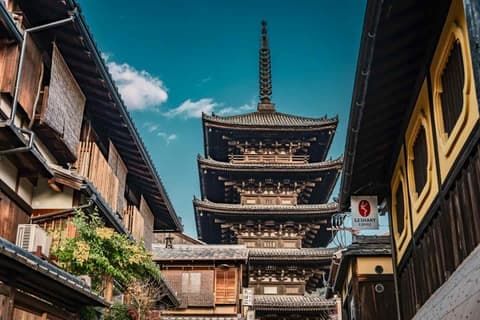
The verdict
Give Kyoto **four days** if the wider route allows it. Three is workable; two is a sampler.
Frequently asked questions
Is 3 days enough in Kyoto?
Yes, but it requires disciplined geographic clustering. Four days is more comfortable for a first visit.
Is 4 days too much in Kyoto?
No. Four days is ideal for separating eastern, western, northern and central areas without constant cross-city travel.
How many nights should I stay in Kyoto?
Three to four nights is the strongest first-visit range, depending on arrival and departure times.
Should I spend more time in Kyoto or Osaka?
Kyoto usually needs more sightseeing time. Osaka can work with two to three days unless food, nightlife or attractions there are major priorities.
Sources
- Kyoto City Official Travel Guide — Official area and itinerary planning context.