

How Many Days Do You Need in Seville?
How many days do you need in Seville? Compare 1, 2, 3 and 4-day trips, what each length covers, where to stay and the best duration for a first visit.
The short answer
For most first-time visitors, **three days in Seville is the sweet spot**. Two days is enough to see the headline sights if you plan tightly. Four days is better if you want neighbourhood time, long lunches, markets, flamenco and room for the city to feel like somewhere you are staying rather than somewhere you are clearing.
How long should you spend in Seville?
One day in Seville: enough for a taste, not enough for the city
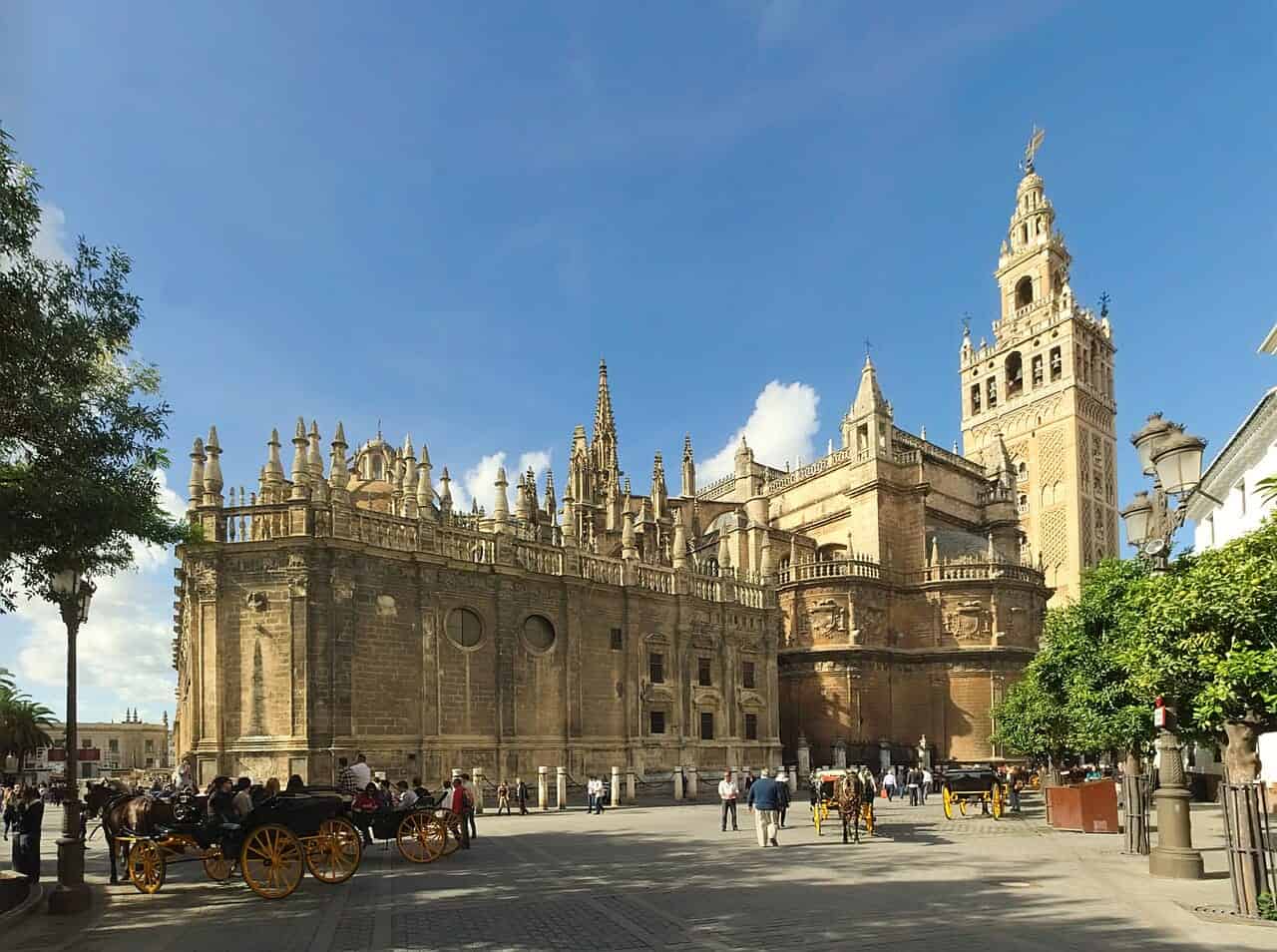
A single day works if Seville is one stop in a very compressed Andalusia itinerary. Keep the geography tight. The Cathedral, Giralda, Royal Alcázar and Santa Cruz sit close enough together to form the obvious monumental core. Official Seville tourism treats the Cathedral, Alcázar and Archive of the Indies as the city's essential UNESCO ensemble, which is exactly why trying to bolt Triana, Macarena and a long food crawl onto the same day usually produces more commuting than enjoyment.
The biggest practical constraint is the Royal Alcázar. It is both extensive and extremely popular, and official tourism advice recommends booking in advance and leaving proper time for the palace and gardens. If you have one day, anchor the itinerary around your timed entry rather than trying to improvise around it.
A good one-day shape is: monumental core in the morning, Santa Cruz on foot, a proper lunch, then either Plaza de España and María Luisa Park or an evening crossing into Triana. Do not try to do all of it.
Two days in Seville: the minimum I would recommend
Two days gives Seville enough room to stop feeling like a checklist. Official tourism itself publishes a two-day itinerary, and that is a useful signal: a weekend can cover the city's central story if you sequence it properly.
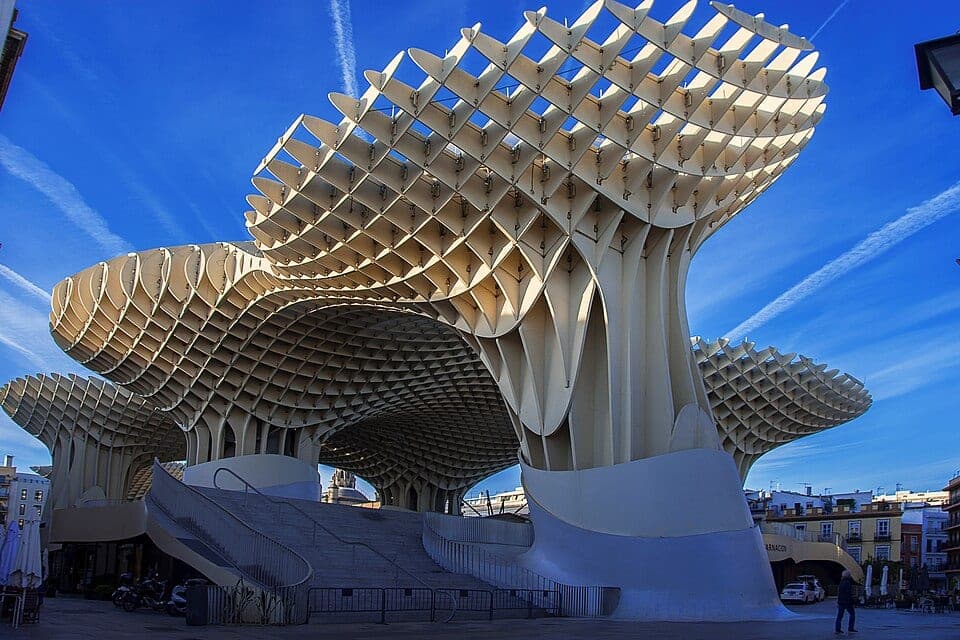
Use day one for the historic core: Cathedral and Giralda, Royal Alcázar, Santa Cruz, then the river or Arenal in the evening. Use day two to widen the map: Plaza de España and María Luisa Park, then Triana, or push north through Alameda and Macarena if local neighbourhood character matters more to you than another monument.
Two days still requires choices. You will probably not get meaningful time in Santa Cruz, Triana, Macarena and the Alameda. You can pass through them, but passing through and experiencing a neighbourhood are not the same thing.

Three days in Seville: the sweet spot
Three days is where Seville becomes easy to recommend without qualifications. You can still see the major monuments, but you no longer need to force every meal, square and neighbourhood into the gaps between tickets.
A strong three-day structure is **monuments, neighbourhoods, then depth**. Day one: Cathedral, Giralda, Alcázar and Santa Cruz. Day two: Plaza de España, María Luisa Park, river and Triana. Day three: Macarena, Feria, Alameda, a museum or palace, then whatever you most wanted more time for.
This also matches the physical rhythm of the city better. Seville can be hot, lunches can stretch, and some of the best moments happen after you have stopped trying to optimise every thirty minutes. Three days gives you enough slack for that without turning the trip into a long stay.
Four days in Seville: better if you care about the city beyond the essentials
Four days is not too long. It is simply a different kind of trip. Instead of asking how fast you can cover Seville, you can choose one neighbourhood or theme each day and let meals and evenings stay flexible.
The fourth day is especially valuable for travellers interested in contemporary food, photography, architecture, flamenco, local markets or smaller museums. Macarena has a stronger local identity than the monumental centre; official Seville tourism highlights the Basilica, old Almohad walls, Feria Market, San Luis and Alameda as part of the neighbourhood's character. Triana deserves the same treatment rather than being reduced to one bridge crossing and a ceramic-shop photo.
If your first instinct on day four is to leave for Córdoba or Cádiz, that is fine, but decide whether you actually want a Seville trip with a day trip or a deeper Seville trip. Both are good. They are not the same itinerary.
Five days or more: use Seville as a base
Once you reach five nights, the question changes from ‘how many days in Seville?’ to ‘how should Seville fit into Andalusia?’ The city is a strong base for regional trips because you can keep one hotel while adding a day elsewhere, but a multi-city route may be more efficient if Córdoba or Granada are already part of the plan.
If you are building a larger southern Spain route, read 7 Days in Andalusia before automatically assigning five nights to Seville. The right answer depends on whether Granada and Córdoba are separate overnight stops or excursions.
What should you prioritise by trip length?
- 1 day: Cathedral, Giralda, Alcázar, Santa Cruz, one evening neighbourhood.
- 2 days: add Plaza de España and either Triana or Macarena/Alameda.
- 3 days: do the essentials without rushing and give both sides of the city real time.
- 4 days: add markets, smaller museums, palaces, food-focused neighbourhood time and slower evenings.
- 5+ days: consider regional day trips or a broader Andalusia route.
Where should you stay if time is short?
For one or two nights, stay central enough that you are not spending the best hours of the day commuting into the historic core. Santa Cruz is the atmospheric option; Arenal and the central old town are often more practical. Triana is excellent if evenings and local atmosphere matter more than waking up beside the Cathedral.
For the full neighbourhood trade-offs, see Where to Stay in Seville.
The verdict
If you are asking because you are dividing an Andalusia trip, give Seville **three days** unless another city is clearly more important to you. Two is workable; four is luxurious without being excessive.
The biggest mistake is not staying too long. It is staying two or three days while scheduling them so tightly that Seville's strongest quality, the life between the sights, disappears.
Frequently asked questions
Is 2 days enough in Seville?
Yes. Two days is enough for the main sights and one or two neighbourhoods if you plan efficiently. Three days is better if you want the trip to feel relaxed rather than compressed.
Is 3 days enough in Seville?
Yes. Three days is the ideal first-visit length for most travellers because it covers the monumental core, Triana, Plaza de España and additional neighbourhood time without excessive rushing.
Is 4 days too long in Seville?
No. Four days works especially well for travellers interested in food, neighbourhoods, flamenco, smaller museums and a slower pace. It also gives you the option of a day trip without hollowing out the city visit.
Can you see Seville in one day?
You can see the headline sights in one day, but it will be a sampler rather than a complete visit. Keep the route around the Cathedral, Alcázar and Santa Cruz and avoid trying to cover every neighbourhood.
How many nights should I stay in Seville?
Three nights is a strong default. Stay two nights for a fast weekend, four for a deeper city stay, or longer if Seville is your base for day trips.
Should I spend more time in Seville or Granada?
For most first-time visitors, Seville usually justifies one additional day because the city is larger and has more distinct neighbourhoods. Granada's must-see core is more compact, though the Alhambra deserves substantial time.
Sources
- Visita Sevilla: Royal Alcázar — Official visitor guidance and the scale of the Alcázar complex.
- Visita Sevilla: Cathedral, Archive and Alcázar — Official description of Seville's central monumental ensemble.
- Visita Sevilla: Santa Cruz — Official neighbourhood context.
- Visita Sevilla: Macarena — Official neighbourhood context and major sights.