

Where to Stay in Seville: The Best Areas for Different Trips
Where should you stay in Seville? Compare Santa Cruz, Arenal, Triana, Alameda, Macarena and Encarnación by atmosphere, convenience, nightlife and trip length.
The short answer
For a first trip to Seville, **Santa Cruz or Arenal** are the easiest choices because the main monuments and historic centre are on your doorstep. Choose **Triana** if evenings, food and neighbourhood atmosphere matter more than sleeping beside the Cathedral. Choose **Alameda or Macarena** if you want more local texture and do not mind a longer walk to the monumental core.
Seville neighbourhoods at a glance
Santa Cruz: best for a first visit and maximum atmosphere
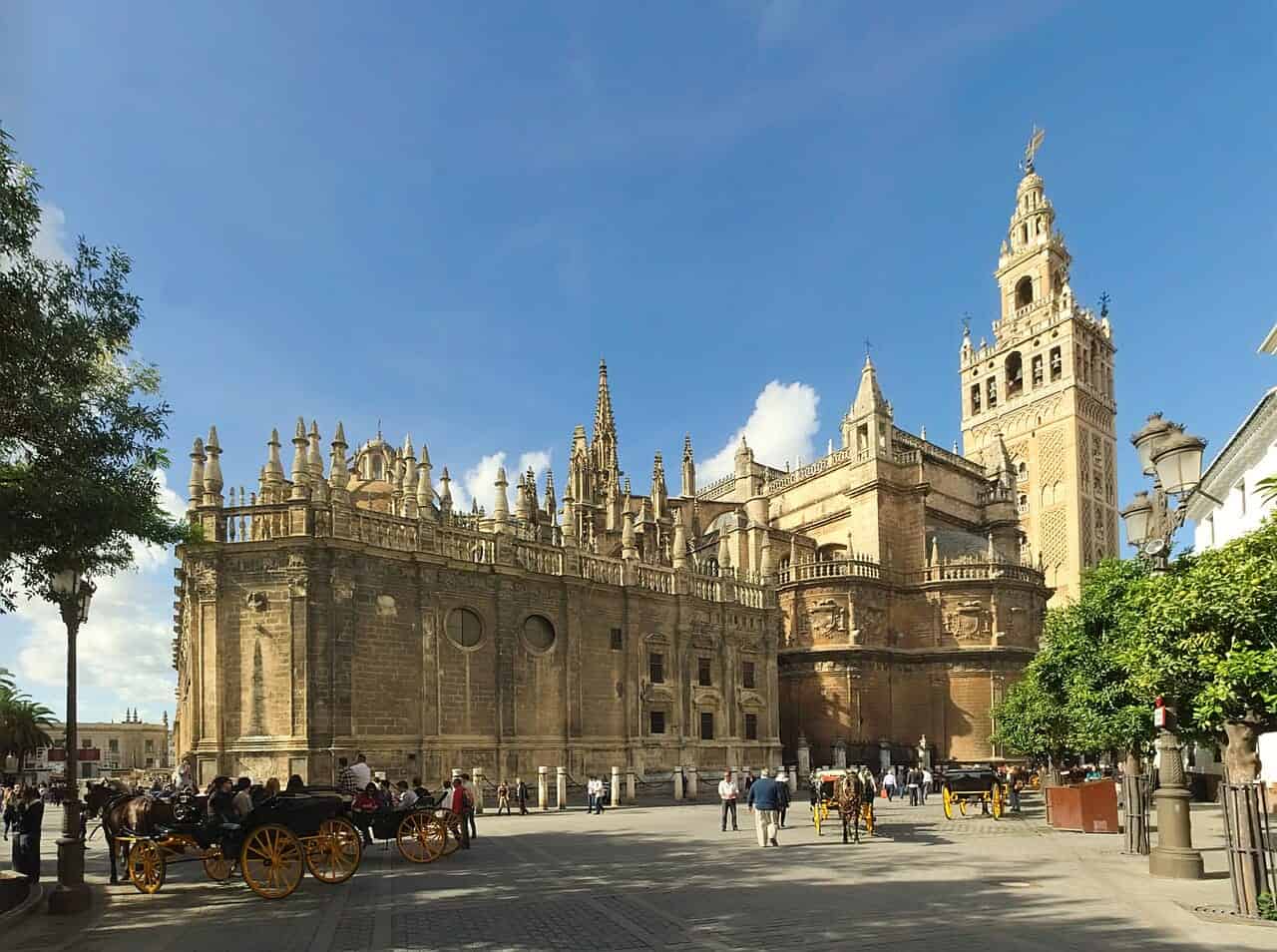
Santa Cruz is the Seville people imagine before arriving: narrow lanes, white façades, tiled courtyards, orange trees and tiny squares wrapped around the Cathedral and Royal Alcázar. Official tourism describes it as the former Jewish quarter and one of the city's most visited neighbourhoods.
The advantage is obvious. On a short trip, you can walk out of the hotel and immediately be inside the historic core. Early mornings and late evenings are also the best times to experience the neighbourhood without the full daytime visitor traffic.
The trade-off is equally obvious. Santa Cruz is popular because it is beautiful. Some lanes are busy, access can be awkward for taxis or luggage, and restaurants aimed at visitors outnumber truly neighbourhood-driven places in the most obvious streets. Official tourism now publishes visitor-behaviour guidance specifically because the district receives heavy foot traffic.
- Best for first-time visitors
- Best if you only have 1–2 nights
- Excellent for early Cathedral/Alcázar starts
- Romantic atmosphere
- Less ideal if you dislike heavy tourist traffic
Arenal and Plaza Nueva: best all-round location
Arenal sits between the monumental core and the river. It is a practical compromise for travellers who want to walk everywhere without sleeping inside Santa Cruz itself. Cathedral access remains easy, Triana is directly across the river, and the central shopping and restaurant streets are close.
For a first visit where convenience beats neighbourhood romance, this is arguably the safest recommendation. It also works well for travellers with luggage or an early departure because access is generally simpler than in the tightest parts of Santa Cruz.
Triana: best for evenings, food and a stronger neighbourhood identity
Stay in Triana if you want to cross the river at the end of sightseeing and feel that the evening has changed gear. The neighbourhood has a strong identity around ceramics, flamenco, markets, food and the riverfront, and it remains close enough to the centre that you are not sacrificing the city to get atmosphere.
The main question is how much you value doorstep access to the Cathedral and Alcázar. From parts of Triana, the walk is easy; from deeper inside the neighbourhood, it becomes something you consciously do rather than simply falling out of the hotel into Santa Cruz.
For three or four nights, that trade often makes sense. For a one-night stop, I would usually stay east of the river and use Triana for the evening instead.

Alameda: best for nightlife, restaurants and a less formal Seville
The Alameda de Hércules area works well for travellers who care as much about dinner and late evenings as monuments. Official Seville tourism describes the Alameda as full of life, leisure, gastronomy and fun, and that is the appeal: it feels more contemporary and social than the monumental centre.
You are still inside the broader historic city, but the Cathedral is no longer five minutes away. That makes Alameda a poor choice for somebody trying to maximise one packed sightseeing day and a strong choice for somebody staying three or four nights and wanting the city to feel lived-in after dark.
Noise is the obvious compromise. Check recent hotel-room reviews carefully if you are a light sleeper.
Macarena and Feria: best for local character and a deeper stay
Macarena is the choice for travellers who would rather be near Feria Market, San Luis, the old city walls and local squares than beside the Cathedral. Official tourism emphasises the neighbourhood's strong local identity, Basilica, Almohad walls, artisan spaces and market life.
This is where Seville starts to feel less like a concentrated monument district and more like a city people live in. That also means you should not choose it purely because accommodation is cheaper and then resent the walk south every morning.
Macarena works best for repeat visitors, longer stays and travellers who actively want to spend time north of the main tourist core.
Encarnación and Alfalfa: best central compromise
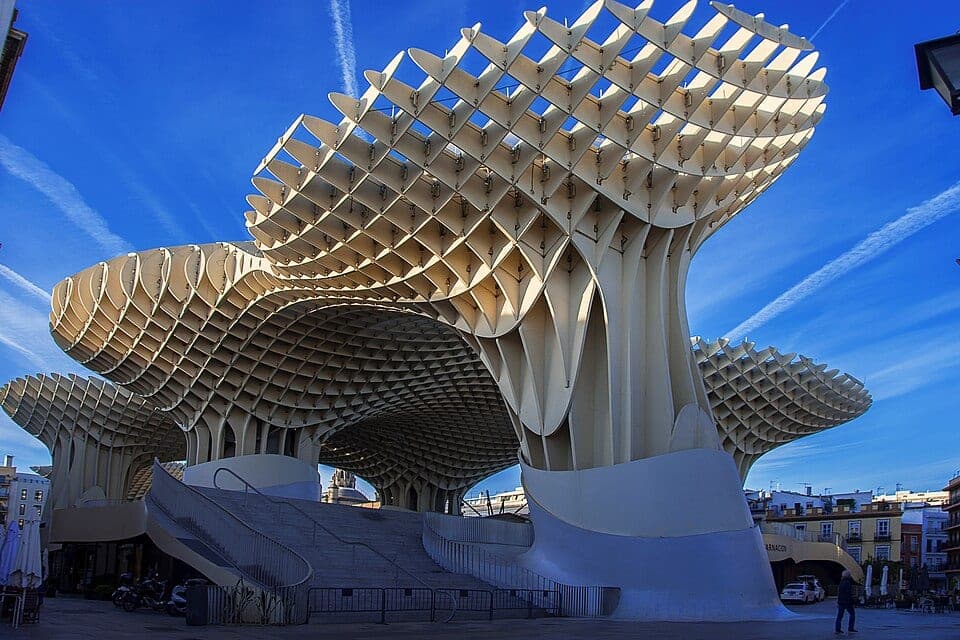
Around the Setas de Sevilla, Encarnación and Alfalfa put you in a useful middle position. Santa Cruz and the Cathedral are walkable south; Macarena and Alameda are accessible north; shopping, bars and restaurants surround you.
This area is especially good for travellers who want a central hotel but do not need the postcard setting immediately outside the door. It also makes a practical base if your itinerary spreads across several different parts of Seville rather than concentrating on the monumental core.
Where should families stay?
For families, I would favour Arenal, Plaza Nueva or a quieter edge of Santa Cruz over nightlife-heavy Alameda. The main benefit is simple walking logistics: fewer transfers, easier returns to the hotel and less friction around timed attractions.
Triana can also work well for families staying longer, especially if you prefer an apartment-style setup and slower evenings.
Where should you stay for 2, 3 or 4 days?
- 1–2 nights: Santa Cruz, Arenal or Plaza Nueva for maximum efficiency.
- 3 nights: Santa Cruz, Arenal, Triana or Encarnación all work depending on evening priorities.
- 4+ nights: widen the search to Alameda, Macarena and deeper Triana because neighbourhood quality matters more over a longer stay.
If you have not decided the trip length yet, start with How Many Days Do You Need in Seville?.
The verdict
For most first-time visitors, stay in **Santa Cruz if atmosphere is the priority** and **Arenal if convenience is the priority**. Triana is the best alternative when evenings and neighbourhood personality matter more than being beside the monuments.
Do not over-optimise hotel location to save ten minutes while choosing an area that does not fit how you spend mornings and evenings. Seville is walkable enough that the right neighbourhood should shape the trip, not just minimise distance.
Frequently asked questions
What is the best area to stay in Seville for first-time visitors?
Santa Cruz is best for atmosphere and immediate access to the Cathedral and Alcázar. Arenal is the best practical alternative if you want the same central convenience with easier access and slightly less tourist intensity.
Is Triana a good area to stay in Seville?
Yes. Triana is excellent for food, evenings and neighbourhood character, especially on a three-night or longer stay. The trade-off is a longer walk to some major sights.
Is Santa Cruz too touristy to stay in?
It is Seville's most visitor-heavy historic area, but it can still be an excellent base. Early mornings and evenings are atmospheric, while the main trade-off is daytime crowds and tourist-oriented businesses.
Where should couples stay in Seville?
Santa Cruz is the classic romantic choice. Triana is better for couples who prioritise evenings, food and local atmosphere over sleeping beside the monuments.
Where should families stay in Seville?
Arenal, Plaza Nueva and quieter parts of Santa Cruz are practical because they reduce walking and transport between the hotel and major sights.
Where should I stay in Seville for nightlife?
Alameda is the strongest nightlife and contemporary restaurant base. Triana is better if you want lively evenings with a more traditional neighbourhood identity.
Sources
- Visita Sevilla: Santa Cruz — Official neighbourhood description and major sights.
- Visita Sevilla: Santa Cruz visitor guidance — Current high-traffic visitor context.
- Visita Sevilla: Macarena — Official neighbourhood character and attractions.
- Visita Sevilla: northern Seville food route — Alameda and Macarena dining context.