
Notes on longer,
more complex planning.
Practical Sortie writing on multi-city itineraries, travel structure, and making serious planning feel controlled. Get sorted with Sortie.
ComparisonsLambus Free vs PRO: Is Lambus PRO Worth It in 2026?
Lambus Free covers a large part of the shared trip-planning workflow. PRO is worth it when extended route planning, offline mode, calendar sync, PDF export, flight updates and other travel-management upgrades matter.
ComparisonsTripsy Free vs Pro: Is Tripsy Pro Worth $59 a Year?
Tripsy Free is generous for basic trip organisation. Pro is worth $59 a year if reservation forwarding, flight alerts, documents, calendar feeds, expenses and travel statistics are features you will actually use.
ComparisonsRoadtrippers Free vs Basic vs Pro vs Premium: Which Plan Is Worth It?
Roadtrippers has four materially different planning limits. Free works for tiny routes, Basic for short road trips, Pro for serious multi-stop travel, and Premium for long journeys, offline maps, live traffic, AI and RV features.
ComparisonsTripIt vs TripIt Pro: Is TripIt Pro Worth $49 a Year?
TripIt Free is already excellent at turning reservations into one itinerary. TripIt Pro is worth $49 a year for frequent flyers who will actually use real-time flight alerts, alternate flights, fare tracking and airport guidance.
ComparisonsWanderlog Free vs Pro: Is Wanderlog Pro Worth It in 2026?
Wanderlog Free already includes substantial trip planning. Pro is worth paying for when offline access, route optimisation, Google Maps export and other power-user features solve a real trip problem rather than merely looking nice on the feature list.
ComparisonsBest Polarsteps Alternatives in 2026: 6 Apps for Planning, Tracking and Trips
Polarsteps now spans planning, tracking and travel memories. Alternatives may fit better if you need deeper itinerary construction, broader all-in-one planning, stronger booking organisation or a different journaling approach.
ComparisonsBest Lambus Alternatives in 2026: 6 Group and Trip Planners
Lambus is broad and collaborative, but alternatives may fit better if you want a cleaner manual planner, stronger reservation automation, road-trip specialisation, broader discovery or AI-first travel.
ComparisonsBest Tripsy Alternatives in 2026: 6 Travel Organisers and Planners
Tripsy is polished and reservation-friendly, but alternatives may fit better if you want deeper pre-trip planning, Android/web breadth, group utilities, booking automation or AI planning.
ComparisonsBest Roadtrippers Alternatives in 2026: 6 Route and Trip Planners
Roadtrippers is purpose-built for road travel, but not every trip is primarily about driving. These alternatives cover city-heavy itineraries, Google Maps simplicity, RV planning, all-in-one travel and manual multi-city structure.
ComparisonsBest Tripomatic Alternatives in 2026: 6 Itinerary Planners Compared
Tripomatic is a strong route-aware itinerary planner, but alternatives may fit better if you want manual-first multi-city structure, broader trip management, curated sightseeing, road trips or AI-led planning.
ComparisonsBest Visit A City Alternatives in 2026: 6 Flexible Trip Planners
Visit A City is useful for prebuilt sightseeing plans, but travellers who want more freedom can choose from planners built around manual editing, maps, multi-city routes, AI or broader trip management.
ComparisonsBest TripIt Alternatives in 2026: 6 Travel Planners Compared
TripIt is excellent at organising booked travel, but it is not the best fit for every planning style. These alternatives cover manual itinerary building, road trips, group travel, AI planning and richer pre-trip structure.
ComparisonsTripsy vs Lambus: Which All-in-One Travel Planner Is Better?
Tripsy is stronger for polished reservation organisation, Apple-centric travel management and flight updates. Lambus is stronger for route building, group planning, shared expenses and a broader pre-trip workspace.
ComparisonsRoadtrippers vs Google Maps for Trip Planning: Which Should You Use?
Google Maps is better for everyday navigation, saved places and getting from A to B. Roadtrippers is better for designing the road trip itself, discovering worthwhile stops and managing long routes.
ComparisonsTripomatic vs Visit A City: Which City Itinerary Planner Is Better?
Tripomatic is the more flexible map-led planner, with drag-and-drop days, routing, custom places, collaboration and AI. Visit A City is more curated and sightseeing-led, with ready-made city itineraries that can be customised.
ComparisonsTripIt vs Lambus: Travel Organisation or All-in-One Trip Planning?
TripIt is strongest after you book: it turns confirmations into a clean itinerary and adds powerful flight support with Pro. Lambus starts earlier, with route planning, shared stops, documents, expenses and group planning in one workspace.
ComparisonsTripIt vs Roadtrippers: Booking Organiser or Road Trip Planner?
TripIt and Roadtrippers barely solve the same problem. TripIt organises flights, hotels and bookings into an operational itinerary. Roadtrippers builds driving routes around stops, navigation and roadside discovery. Sortie is the alternative for structured multi-city trips that are neither booking-first nor road-trip-first.
ComparisonsTripIt vs Tripsy: Which Travel Organiser Is Better?
TripIt is the cleaner choice for automatic booking organisation and frequent-flyer operational alerts. Tripsy offers a more design-led itinerary with documents, expenses, collaboration and a lifetime Pro option. Sortie is the alternative when the trip still needs to be designed rather than merely organised.
ComparisonsWanderlog vs Stippl: Which All-in-One Travel Planner Is Better?
Wanderlog and Stippl are both broad all-in-one planners. Wanderlog is stronger in travel guides, map-led discovery and booking organisation; Stippl is unusually generous on free itinerary, budget, packing and journal features. Sortie is the focused manual-first alternative.
ComparisonsWanderlog vs Polarsteps: Which Travel App Is Better?
Wanderlog is better for detailed itinerary building, budgets, reservations and collaborative planning. Polarsteps is better when planning is only one part of a broader plan-track-share-relive travel experience. Sortie is the alternative for manual-first trip architecture.
ComparisonsWanderlog vs Lambus: Which Travel Planner Is Better?
Wanderlog is the stronger all-round itinerary planner for maps, discovery, routes, budgets and collaboration. Lambus is the stronger shared travel utility when expenses, documents, bookings, offline use and group coordination matter just as much. Sortie is the manual-first alternative for deeper trip structure.
ComparisonsWanderlog vs Visit A City: Which Trip Planner Gives You More Freedom?
Wanderlog is the broader all-in-one planner with maps, collaboration, budgets, reservations and AI. Visit A City is more sightseeing-content-led and makes it easy to start from curated city itineraries. Sortie is the alternative for travellers who want to build from their own places without losing structure.
ComparisonsWanderlog vs Tripsy: Which Travel Planner Is Better?
Wanderlog is better for researching and building the trip from places, maps and daily routes. Tripsy is better for organising reservations, flights, documents and live travel information. Sortie is the alternative for deeper manual-first itinerary structure.
ComparisonsWanderlog vs Tripomatic: Which Itinerary Planner Is Better?
Wanderlog is the broader all-in-one travel workspace. Tripomatic is the more itinerary-and-routing-focused planner, with especially detailed transport modes and exports. Sortie is the manual-first alternative when multi-city structure matters more than feature breadth.
ComparisonsWanderlog vs Roadtrippers: Which Travel Planner Is Better?
Wanderlog is the better general-purpose itinerary planner for flights, cities and mixed trips. Roadtrippers is the better specialist for driving routes, roadside discovery, navigation and RV travel. Sortie is the alternative when your trip is multi-city but not road-trip-first.
ComparisonsWanderlog vs TripIt: Which Travel Planner Should You Use?
Wanderlog is the better choice when you want to actively plan places, routes, budgets and days. TripIt is the better choice when you already have bookings and want them automatically organised into one reliable itinerary. Sortie is the alternative when you want deeper manual-first itinerary structure.
ComparisonsSortie vs Mindtrip: Manual Trip Planning or AI-First Travel Planning?
Mindtrip is an AI-first travel platform for discovery, personalised recommendations, bookings and collaborative planning. Sortie is a manual-first planning workspace for travellers who want to build and control the itinerary themselves.
ComparisonsSortie vs Stippl: Focused Trip Planning or an All-in-One Travel App?
Stippl combines itinerary planning with budgets, packing, journaling, AI, tracking and group tools. Sortie is a more focused manual-first planner built around trip structure, especially for complex multi-city itineraries.
ComparisonsSortie vs Polarsteps: Which Travel Planner Is Better for Planning the Trip?
Polarsteps now spans planning, tracking, sharing and reliving a trip. Sortie is more focused: a manual-first workspace for structuring the itinerary itself, especially when city sequencing and day planning matter more than travel tracking.
ComparisonsSortie vs Lambus: Which Travel Planner Is Better for Complex Trips?
Lambus is the stronger all-in-one travel utility for groups, bookings, expenses and on-trip tools. Sortie is the stronger fit when you want a manual-first workspace for structuring multi-city trips, travel days and editable itineraries.
ComparisonsSortie vs Tripsy: Which Travel Planner Fits the Way You Actually Plan?
Tripsy is stronger when your priority is organising bookings, documents, flights and shared trip details. Sortie is stronger when your priority is manually building the structure of the trip itself, especially across multiple cities and travel days.
ComparisonsAthens vs Rome: Which Ancient Capital Should You Visit?
Rome has greater historical and neighbourhood depth; Athens gives a more compact ancient-core trip and fits naturally before an island itinerary.
ComparisonsVienna vs Budapest: Which City Should You Visit?
Vienna is the polished imperial culture trip; Budapest is the more dramatic river city with thermal baths, nightlife and a looser three-day rhythm.
ComparisonsPrague vs Vienna: Which City Should You Visit?
Prague is the more compact medieval city break; Vienna is stronger for imperial architecture, museums, palaces and classical culture.
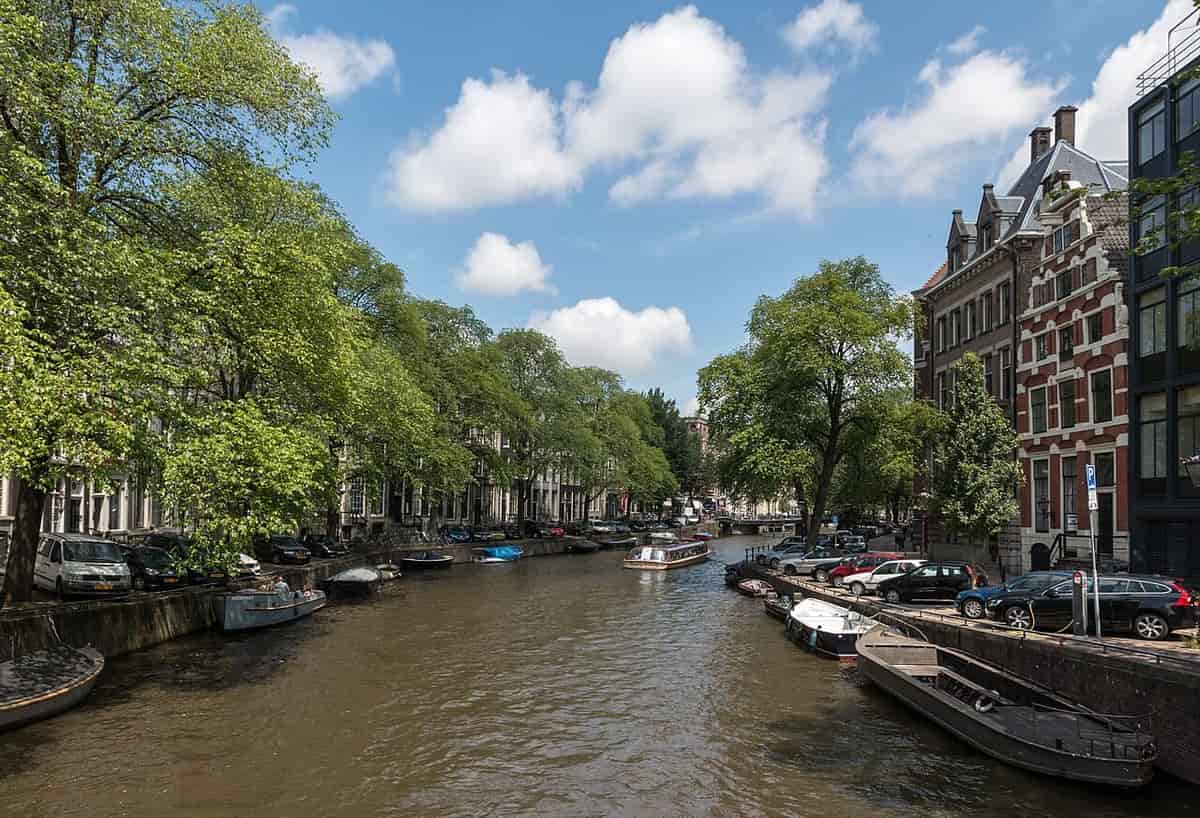
ComparisonsAmsterdam vs Brussels: Which City Should You Visit?
Amsterdam is the stronger standalone city break; Brussels is the better Belgium rail base and compact food-and-museum stop.
ComparisonsBrussels vs Bruges: Which Belgian City Should You Visit?
Brussels is the stronger base and broader city; Bruges is the more atmospheric compact historic experience. A strong Belgium trip often uses both.
ComparisonsLondon vs Edinburgh: Which UK City Should You Visit?
London wins for scale, museums and neighbourhood diversity; Edinburgh wins for compact historic atmosphere and a shorter, easier city break.
ComparisonsParis vs Rome: Which City Should You Visit?
Paris wins for art, boulevards and polished neighbourhood variety; Rome wins for ancient history, layered streets and monumental archaeology.
ComparisonsParis vs London: Which City Should You Visit?
Paris is more compact and visually coherent; London is larger, more varied and stronger for neighbourhood diversity, theatre and free museum breadth.
ComparisonsParis vs Lyon: Which French City Should You Visit?
Paris is the stronger first France trip; Lyon is the better compact food-focused city break and a calmer alternative on a longer route.
ComparisonsParis vs Nice: City Break or French Riviera?
Paris is the culture-heavy capital; Nice is the Mediterranean base for a slower Riviera trip. Choose by trip type, not by city ranking.
ComparisonsTokyo vs Osaka: Which City Should You Spend More Time In?
Tokyo deserves more days for most first trips; Osaka is easier to cover quickly and shines through food, nightlife and its role as a Kansai base.
ComparisonsKyoto vs Osaka: Where Should You Stay and Spend More Time?
Kyoto deserves more sightseeing days; Osaka is better for late food, nightlife and transport convenience. Many Kansai trips should sleep in both rather than force one base.
ComparisonsLisbon vs Barcelona: Which City Should You Visit?
Barcelona is larger and stronger for architecture, museums and beach variety; Lisbon is more compact, atmospheric and easier to combine with Porto or Sintra.
ComparisonsRome vs Venice: Which Should You Visit?
Rome is the deeper historical city and deserves more time; Venice is the more unique compact experience and works brilliantly as a two-night stop.
ComparisonsFlorence vs Venice: Which Should You Visit?
Florence is better for Renaissance art and a compact two- or three-day culture trip; Venice is the more singular urban experience and rewards staying overnight.
ComparisonsRome vs Florence: Which Should You Visit?
Rome is the bigger historical epic with more neighbourhood depth; Florence is the more compact art city and easier short break. Most first Italy trips should include both.
ComparisonsBarcelona vs Seville: Which Spanish City Should You Visit?
Barcelona wins for modernist architecture, Mediterranean energy and sheer variety. Seville wins for a more concentrated historic city, Andalusian atmosphere and a slower three-day rhythm.