
EUROPE · ITALY · 1–3 DAYS

Florence.

Renaissance, concentrated. The smallest of the great Italian cities — and the easiest to walk.
WHY FLORENCE

Florence earns the visit.

Florence is the most concentrated of the great Italian cities — the entire Renaissance core fits inside a 20-minute walk. That density makes it easy to over-pack; the best Florence trips give the Uffizi, Duomo, and Oltrarno their own real time instead of stacking them all into one day.

BEST TIME TO VISIT

April, May, October.

Mild walking weather, manageable queues, no summer heatwave inside the Uffizi. June still works; July and August are hot and tourist-dense even by Italian standards.

Practical

Practical

FROM AIRPORT
20 min · Volainbus
TRANSIT
Mostly walking · no metro
TIPPING
Round up · 5–10%
DINNER HOURS
7:30–10pm
SAFETY
Very safe · watch wallets
WEATHER & CROWD
When Florence's best
April–May and September–October are the strong windows. July–August are extreme — the city is a basin and traps heat. Winter is mild but rainy with excellent museum quiet.
★ APR · MAY · OCT
JAN
10°
2°
FEB
12°
3°
MAR
15°
6°
APR
19°
9°
MAY
23°
12°
JUN
28°
16°
JUL
32°
19°
AUG
32°
19°
SEP
27°
16°
OCT
21°
11°
NOV
15°
6°
DEC
11°
3°
Trip fit

Florence works best for…

Use these six planning lenses to decide whether the destination fits the shape, pace, and wider route you actually want to travel.

First trips to Florence
Florence works well for first-time Italy trips when you want a smaller, more walkable counterweight to Rome, with the most concentrated museum density in the country and easy rail handoffs to the rest of Tuscany.
Short city breaks
Two to three nights is the sweet spot if you want the Uffizi and the Duomo cluster without rushing, plus an Oltrarno evening and ideally one Tuscan day trip.
Multi-stop routes
It works especially well as a route anchor between Rome and Venice — the Frecciarossa makes both legs short, and Florence gives the trip a slower mid-week beat than either city.
Balanced pacing
Florence rewards travellers who plan one big anchor a day (Uffizi, Duomo, Pitti) and keep afternoons for walking, gelato, and viewpoint climbs rather than stacking museums back to back.
Food and neighborhoods
The trip gets stronger when meals, markets, and Oltrarno time matter as much as headline galleries — the city's best evenings happen south of the river, not around the Duomo.
Good trip pairings
It pairs naturally with Rome and Venice on the Frecciarossa, or with a Tuscany slow-leg in Chianti or Siena when you want one city plus genuine countryside time.
PLANNING NOTES
How to shape Florence
01
Book the Uffizi and Duomo dome climb online a week ahead — same-day timed-entry tickets often sell out in peak season.
02
Use Oltrarno as a deliberate evening neighbourhood so dinner crowds don't compete with the central tourist crush.
03
Day-trip to Siena, Lucca, or Bologna only if you have at least four nights; a third-day day-trip from a two-night stay usually ruins the pace.
Neighbourhoods

Neighbourhoods to know

5 distinct characters. Most strong Florence trips pick a base, then layer two or three more.

Duomo · Uffizi · core

Centro Storico

The historic centre — UNESCO-protected, walkable end to end. Where most travellers stay. Atmospheric but tourist-heavy by day; calmer at night.

Artisan workshops · slower

Oltrarno

Across the Arno from the centre — Pitti Palace, Boboli Gardens, artisan workshops. Quieter, more local, with strong dinner options.

Evening square · trattorie

Santo Spirito

Heart of Oltrarno — the piazza is where Florentines gather. Best evening neighbourhood for a wine bar and trattoria crawl.

Hillside · views

San Niccolò

East of the centre, climbing toward Piazzale Michelangelo. Quiet by day, lively at night, with the best sunset viewpoints over the city.

Food market · busy

San Lorenzo & Mercato Centrale

Just north of the Duomo — central food market downstairs, casual dining hall upstairs. Useful lunch and aperitivo zone.

Top sights

Top sights in Florence

A focused starting set of anchors to help shape the destination into real days.

01
Uffizi Gallery
Florence's essential Renaissance collection, with Botticelli, Leonardo, Caravaggio, and river-facing rooms in a former Medici office building. Reserve a timed entry and allow a real half-day.
3–4 hours
02
Florence Cathedral
Florence's marble cathedral anchors the historic centre, with Brunelleschi's dome defining the skyline. Treat the cathedral, baptistery, and museum as a planned cluster rather than a quick pass-through.
2–3 hours
03
Ponte Vecchio
The medieval bridge is Florence's most recognisable crossing, lined with historic shops and opening naturally into an Oltrarno walk. Go early for a calmer look at the river and its dense architectural setting.
45–90 min
04
Boboli Gardens
The formal Medici garden behind Palazzo Pitti turns the Oltrarno into a slower half-day of terraces, groves, sculpture, and elevated city views. Wear comfortable shoes; the paths are spacious but uneven.
2–3 hours
05
Galleria dell'Accademia
The Accademia is a focused museum visit built around Michelangelo's David, with unfinished sculptures and Florentine painting providing useful context. A timed ticket keeps this short central stop manageable.
60–90 min
06
Palazzo Vecchio
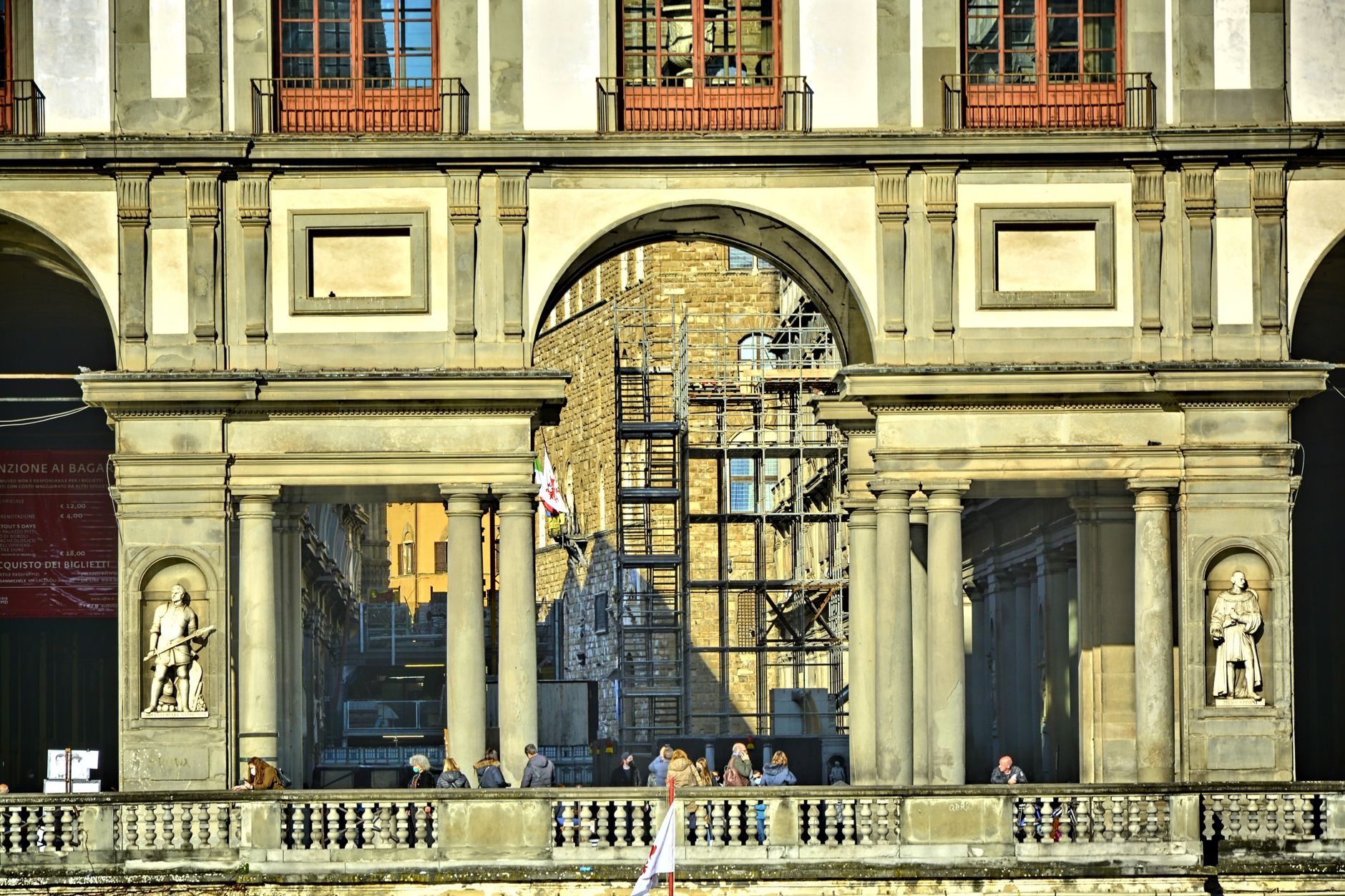
Florence's fortified civic palace still dominates Piazza della Signoria, combining political history, monumental halls, and a strong urban setting beside the Uffizi. Pair it with the square and nearby sculptures.
90–120 min
Day trips

Day trips from Florence

Half-day and full-day extensions that work without breaking the rhythm of a Florence-anchored trip.

Full day

Siena

Medieval hilltop city, 1 hr 15m by bus. Piazza del Campo, striped cathedral, smaller than Florence but denser. The classic Tuscany day trip.

Full day

Pisa & Lucca

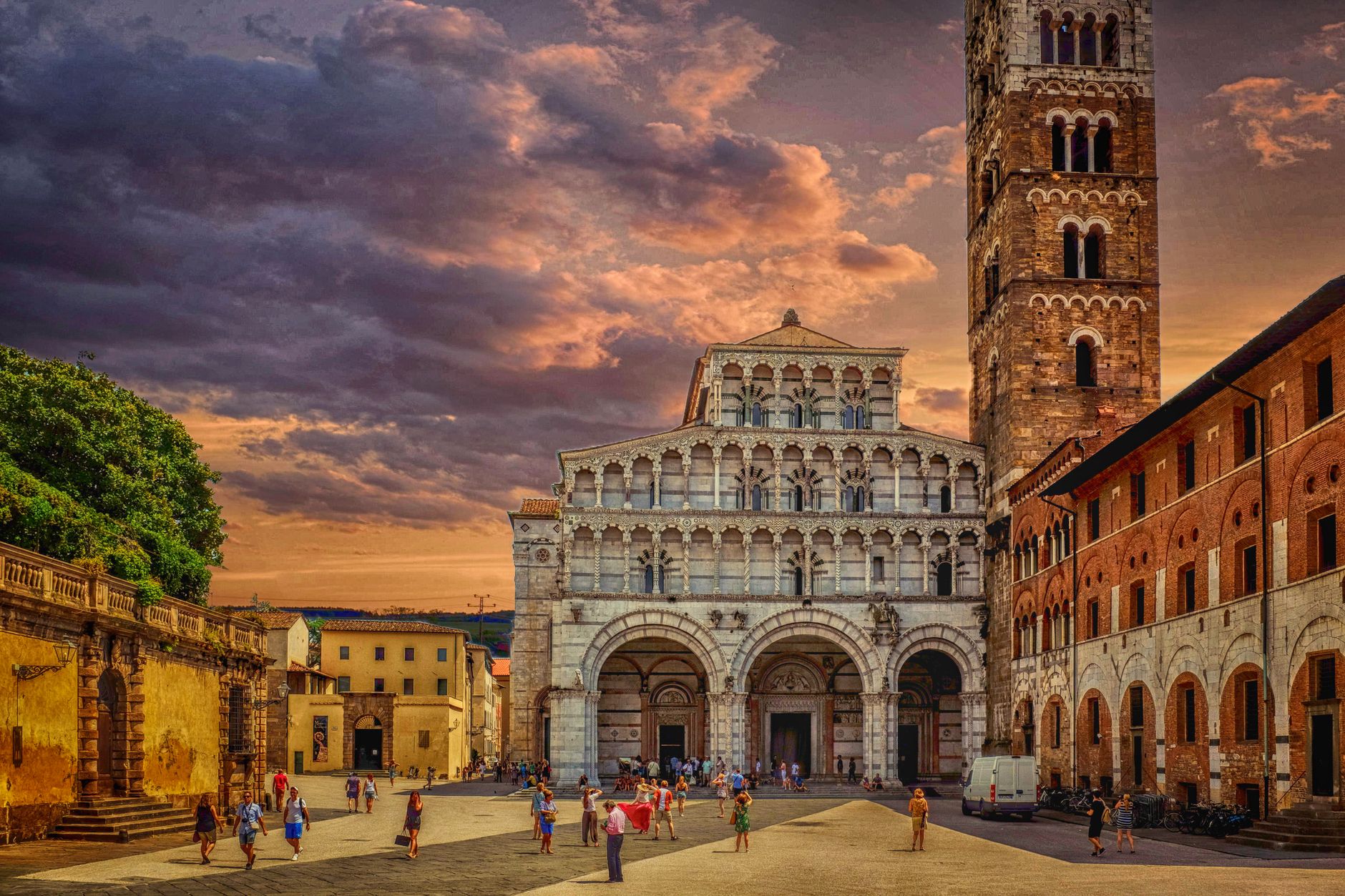
Pisa 1 hr by train (leaning tower in 90 minutes), then Lucca 30 min further — walled town with intact ramparts. Pair them as one strong day.

Full day

San Gimignano

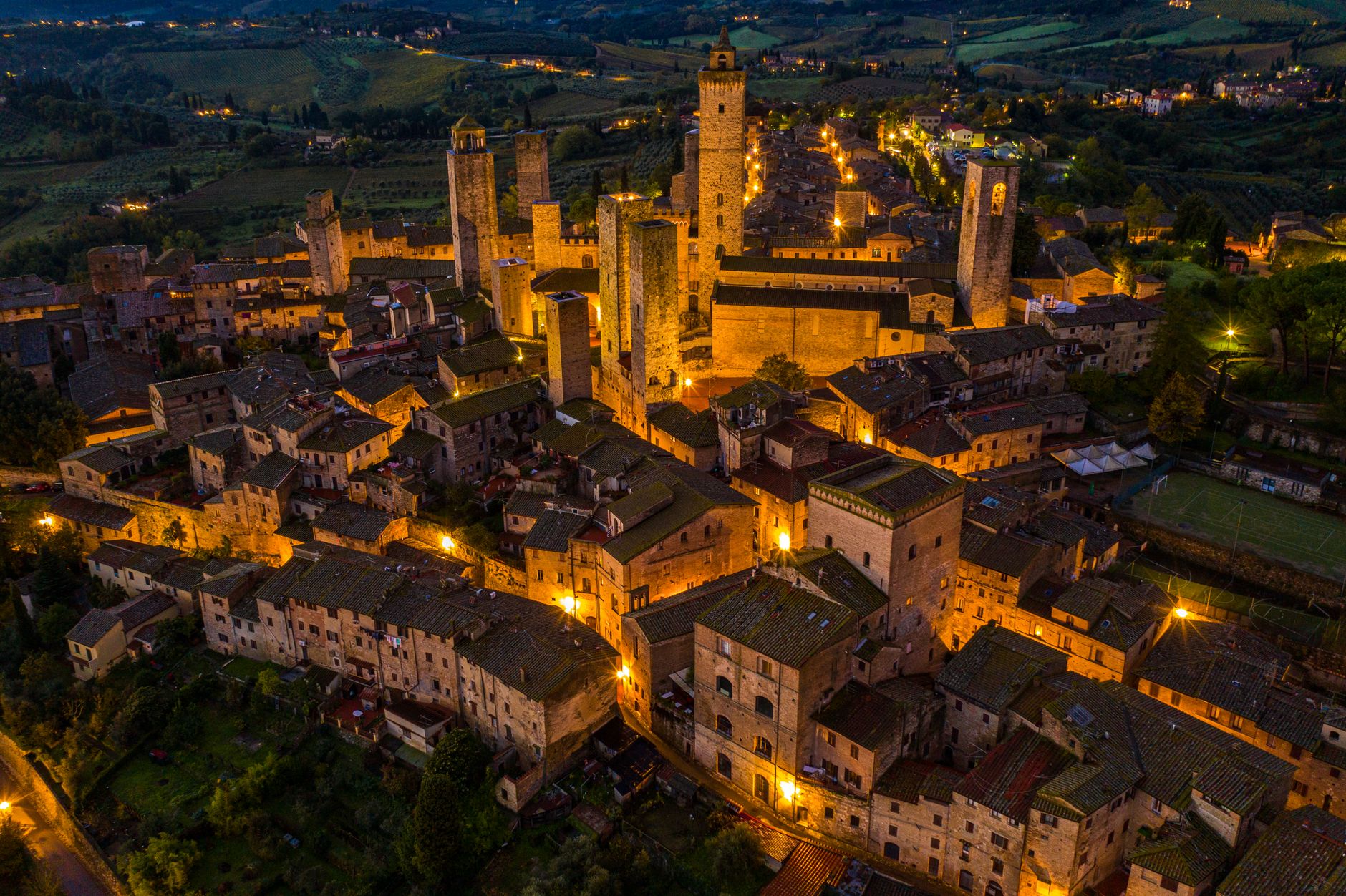
Medieval skyline of towers, 1 hr 45m by bus via Poggibonsi. Best paired with a Tuscan winery for a slow afternoon.

Full day

Bologna

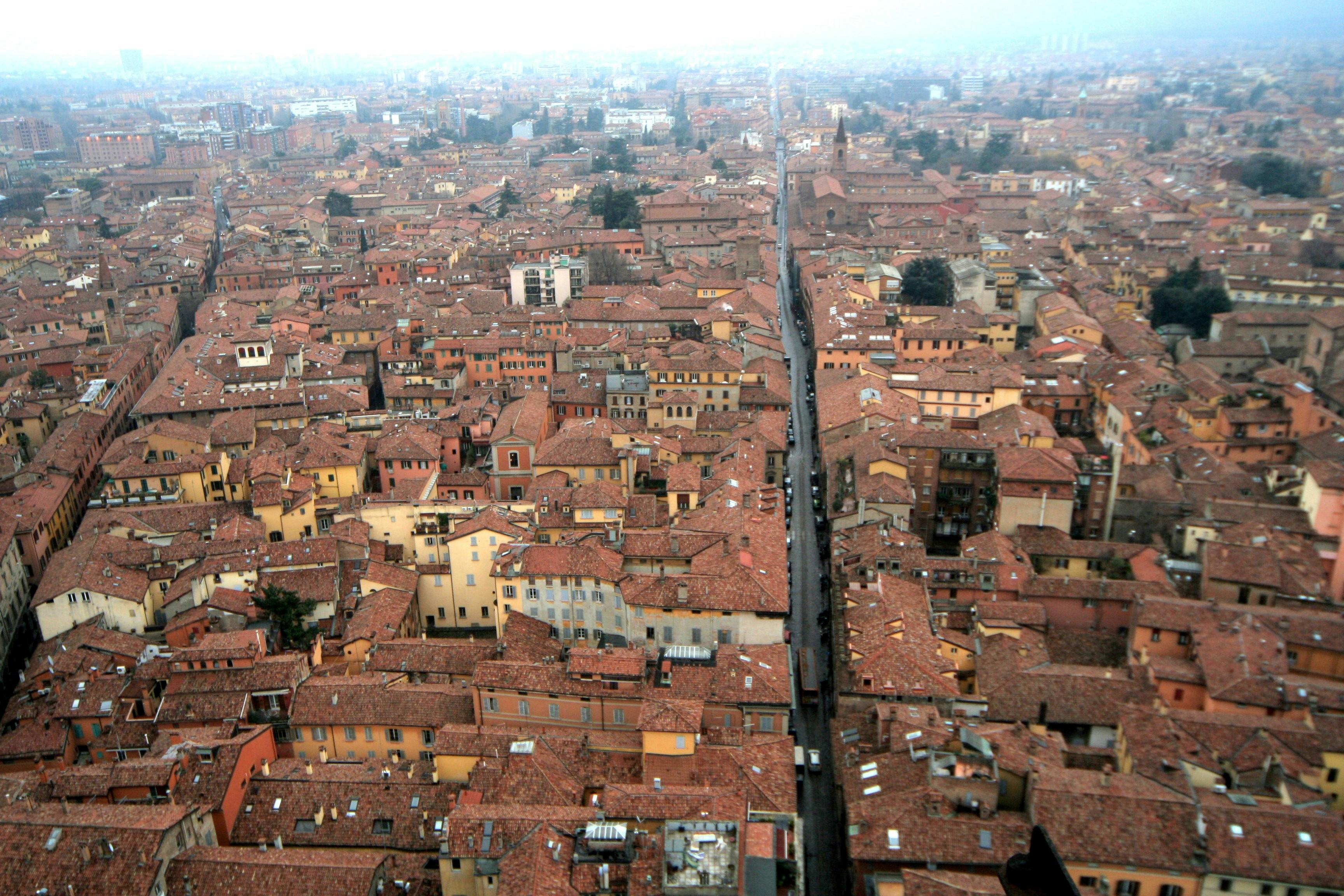
35 min on Frecciarossa. Italy's food capital — porticoes, mortadella, ragù. The strongest food-led day trip from Florence.

Tours & Experiences

Browse current Florence availability on Viator while curated picks are being added.

SORTIE PLACEPopular Florence tours

Popular Florence tours

Browse bookable experiences currently available for Florence.

SORTIE PLACEFlorence sightseeing

Florence sightseeing

Browse guided sightseeing around Florence's landmarks and local highlights.

SORTIE PLACEPrivate Florence experiences

Private Florence experiences

Browse private and small-group options for a more flexible day in Florence.

SORTIE PLACEDay trips from Florence

Day trips from Florence

Browse bookable half-day and full-day excursions around Florence.

SUGGESTED ITINERARIES
Itineraries for Florence
Public itineraries for Florence are still being added. Start a new trip and Sortie will shape day pacing, anchor sequencing, and neighborhood blocks for you.
Start a trip
People who planned Florence also looked at

Related destinations

Florence FAQ

Things travellers usually want to know before Florence.

How many days do you need in Florence?

Two to three nights is the sweet spot — one for the Uffizi and Duomo cluster, one for Oltrarno and Boboli, optionally one for a Tuscan day trip. Florence is small; a fourth night usually only makes sense if you want longer Uffizi visits or a slow Chianti detour.

Where should you stay in Florence?

Centro Storico is the easiest first-time base — central, walkable, ten minutes to every major sight. Oltrarno is more atmospheric and feels less touristed, especially around Piazza Santo Spirito.

Do you need to book the Uffizi in advance?

Yes — same-day tickets often aren't available, especially in peak season. Book a timed-entry slot online a week or more ahead. The mid-morning slot is usually the best balance of crowds and energy.

How do you avoid Florence crowds?

Start early — the Duomo plaza and Ponte Vecchio are at their best before 8:30am. Move to Oltrarno during the midday tourist peak (12–4pm) when the centre gets crushed. Evenings after 7pm settle down again.

Is Florence walkable?

Entirely. The historic centre is the most walkable of any major Italian city — there's no metro, and you don't need one. The walk from the Duomo to the Pitti Palace via Ponte Vecchio takes 20 minutes.

Is Florence better than Rome or Venice?

It's different. Rome is dramatic and sprawling; Venice is otherworldly but small; Florence is concentrated and walkable, with the best museum density in Italy. Most strong Italy trips do all three.

Is a Tuscany detour worth it from Florence?

Yes, if you have a car and at least 2 extra nights. Day trips to Siena, Lucca, or San Gimignano work, but the real value of Tuscany comes from staying overnight in a hilltop town — the landscape is best at golden hour, not at 2pm.

When are queues worst at the Duomo?

Mid-morning, especially 10am–noon, when tour groups consolidate. Dome and bell-tower climbs require timed entries — book online a few days ahead and take the earliest slot you can get.

Ready when you are

Plan your Florence trip, properly.

A clean itinerary in under five minutes — anchors, dwell times, walking distances, done properly.

Create your Florence trip See an example trip
NO CREDIT CARD · 2 MIN TO START