
EUROPE · ITALY · 1–7 DAYS

Rome.

Layers, not a checklist. Ancient, baroque, neighbourhood — done well, all three coexist in one day.
WHY ROME

Rome earns the visit.

Rome is best when you treat it as layers rather than a checklist. Ancient landmarks, neighborhood meals, and slower piazza time all compete for space, so the city rewards a plan that leaves room to shift gears.

BEST TIME TO VISIT

April, May, October.

Mild for walking, long evenings for piazza time, fewer queues than peak summer. June still works; July and August are hot and tourist-dense.

Practical

Practical

FROM AIRPORT
Leonardo Express · 32 min
TRANSIT
Roma Pass · 72 hr
TIPPING
Round up · 5–10%
DINNER HOURS
7:30–10pm
SAFETY
Watch metro pickpockets
WEATHER & CROWD
When Rome's best
April–May and September–October are the strong windows. July–August get into the high 30s and many Romans leave. January is cool but bright and quiet — great for ruins, hard for evenings outside.
★ APR · MAY · OCT
JAN
13°
4°
FEB
14°
5°
MAR
16°
7°
APR
19°
9°
MAY
23°
13°
JUN
28°
17°
JUL
31°
20°
AUG
31°
20°
SEP
27°
17°
OCT
22°
13°
NOV
17°
8°
DEC
14°
5°
Trip fit

Rome works best for…

Use these six planning lenses to decide whether the destination fits the shape, pace, and wider route you actually want to travel.

First trips to Rome
Rome suits first-time Europe trips when you want one city to cover iconic landmarks, strong food, and enough neighborhood texture to keep the days from feeling repetitive.
Short city breaks
Three to five nights is the sweet spot if you want the major ancient and Vatican anchors without turning the trip into one long queue-and-transfer exercise.
Multi-stop routes
It works especially well as a route anchor because onward rail links are easy and the city gives structure to a broader Italy trip without feeling like a transit stop.
Balanced pacing
The city rewards travelers who can alternate high-focus monument blocks with slower piazza, cafe, and evening neighborhood time instead of packing every day wall to wall.
Food and neighborhoods
Rome is strongest for travelers who care about meals and atmosphere as much as landmarks, because lunch, aperitivo, and dinner districts meaningfully shape the rhythm.
Good trip pairings
It pairs naturally with Florence, Naples, or the Amalfi side of Italy when you want one cultural heavyweight city balanced by smaller transfers or lighter coastal time.
PLANNING NOTES
How to shape Rome
01
Group the Colosseum, Forum, and Capitoline area on the same day so central Rome reads as one coherent block.
02
Use Trastevere, Monti, or Testaccio as deliberate evening neighborhoods instead of crossing the city aimlessly for dinner.
03
Leave buffer time around Vatican entries and major church visits because queues and security checks change the rhythm fast.
Neighbourhoods

Neighbourhoods to know

5 distinct characters. Most strong Rome trips pick a base, then layer two or three more.

Pantheon · piazzas · core

Centro Storico

The historic centre — Piazza Navona, Pantheon, Campo de' Fiori. Strong base for first-time visitors. Touristy but walking-dense.

Cobblestones · trattorie

Trastevere

Across the river — narrow lanes, ivy-covered walls, the city's best traditional restaurants. Best evening neighbourhood. Atmospheric base if you don't mind noise.

Hip · central · indie

Monti

Quieter than Trastevere, closer to the Colosseum. Vintage shops, wine bars, slower vibe. Strong base for travellers under 40.

Food market · local

Testaccio

Working-class neighbourhood with Rome's best food market (Mercato di Testaccio) and trattoria culture. Less postcard, more real.

Vatican-side · quiet

Prati

North of the Vatican — wide streets, calmer pace, easy walk to St Peter's. Best base for travellers who want Vatican access without the Centro Storico crowds.

Top sights

Top sights in Rome

A focused starting set of anchors to help shape the destination into real days.

01
Colosseum
Rome's defining ancient arena, best understood alongside the Forum and Palatine Hill as one archaeological day.
2-3 hours
02
Pantheon
A remarkably preserved ancient temple whose concrete dome and layered reuse make it one of central Rome's clearest stops.
60-90 min
03
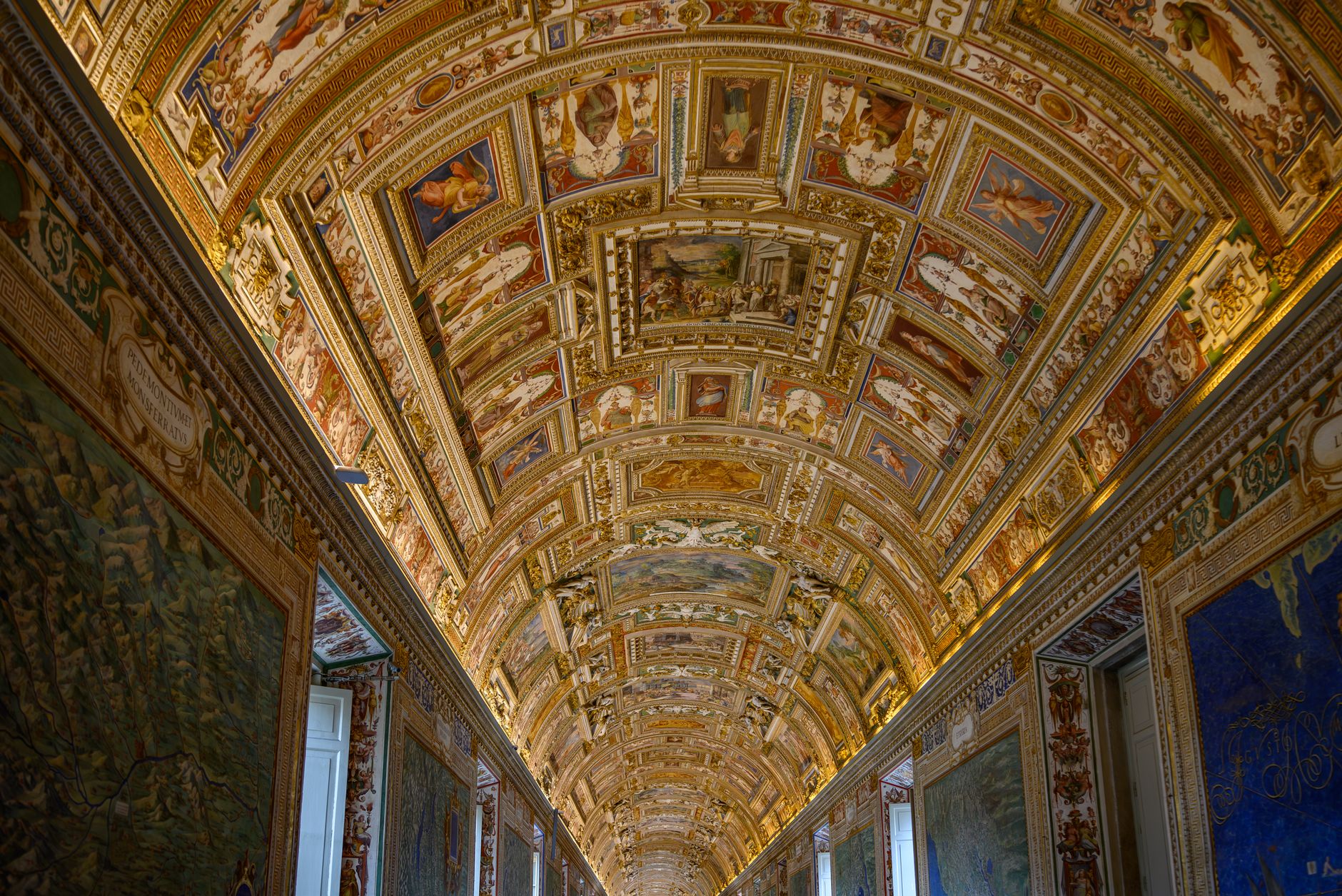
Vatican Museums
A substantial art-and-history block culminating in the Sistine Chapel, best planned with timed entry and patience for crowds.
3-4 hours
04
Saint Peter’s Basilica
A monumental Renaissance basilica where Michelangelo's dome, major chapels, and the scale of the interior reward unhurried time.
2-3 hours
05
Trevi Fountain
Rome's theatrical Baroque fountain is a quick central stop that works best early or late, before the surrounding lanes fill.
30-60 min
06
Galleria Borghese
A concentrated collection of Bernini, Caravaggio, and other Italian masters in a villa setting; advance timed booking matters.
2 hours
Day trips

Day trips from Rome

Half-day and full-day extensions that work without breaking the rhythm of a Rome-anchored trip.

Full day

Tivoli

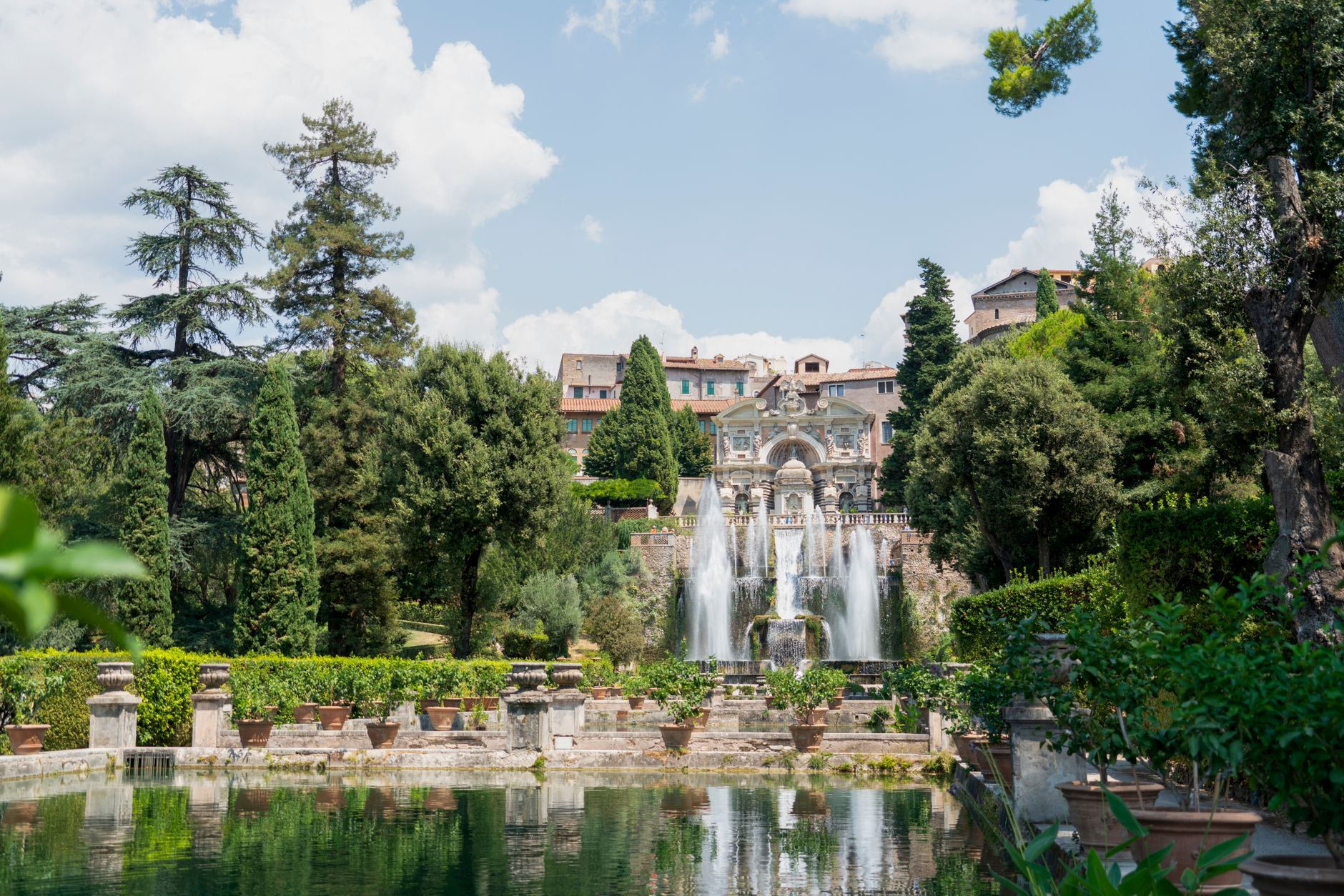
Hadrian's Villa and Villa d'Este (gardens, fountains). 1 hr by train. The classic Rome day trip — Roman ruins in pastoral hills.

Half day

Ostia Antica

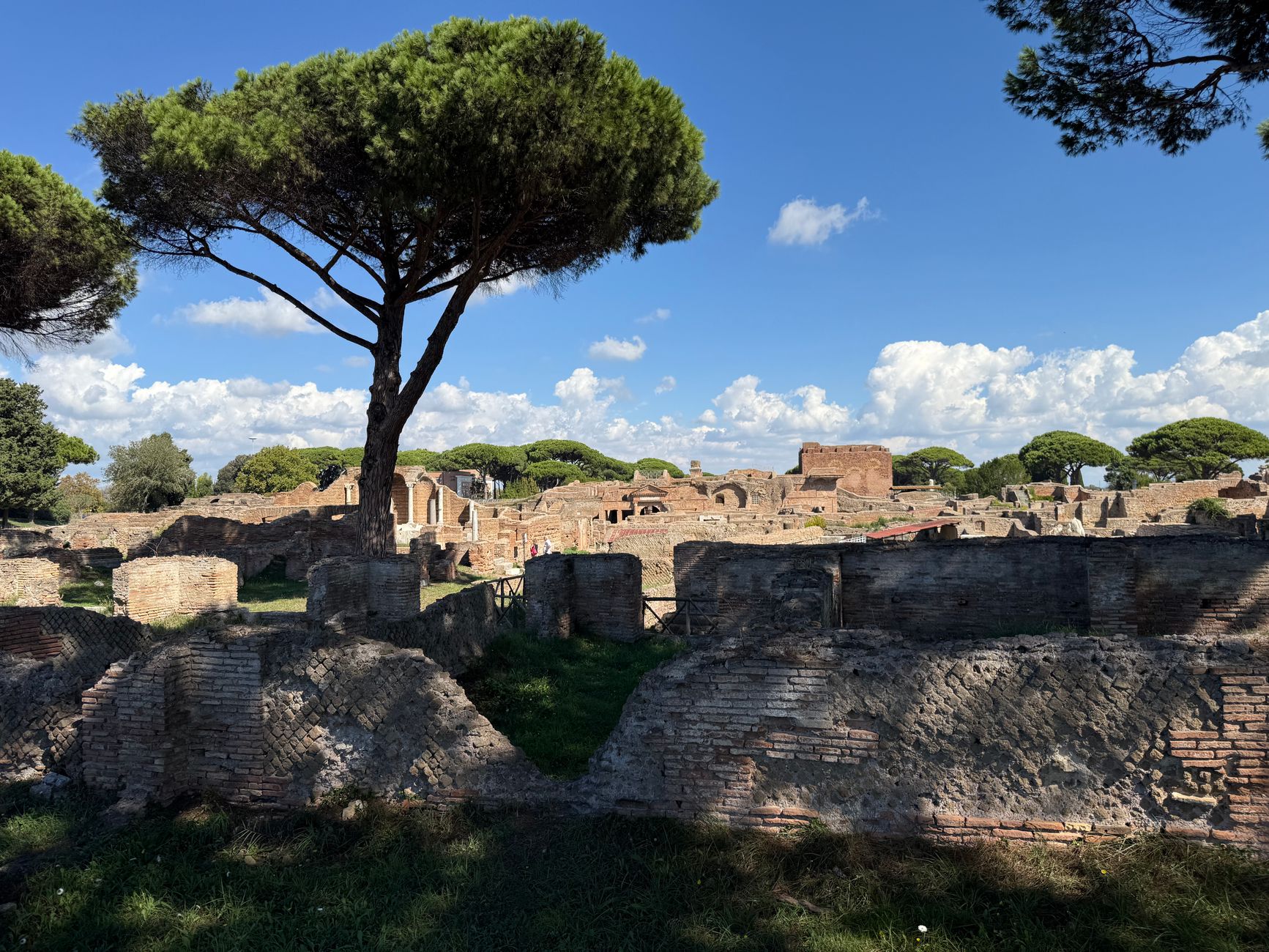
Ancient Roman port ruins, 30 min by train. Quieter than Pompeii, easier reached, hugely atmospheric. The single best half-day extension.

Full day

Orvieto

Hilltop Etruscan town, 1 hr 15m by train. Striped cathedral, underground tunnels, lunch with a view. Strong day for a slower contrast.

Full day or 1 night

Naples & Pompeii

1 hr 10m on Frecciarossa. Possible as a long day trip; better as an overnight if you have it. Pompeii alone needs 4–5 hours.

Tours & Experiences

Book popular Rome experiences on Viator.

SORTIE PLACEColosseum tours

Colosseum tours

Easy access to one of Rome's most-booked landmark categories.

SORTIE PLACEVatican tours

Vatican tours

Popular Rome experiences around the Vatican Museums and St Peter's area.

SORTIE PLACESt Peter's Basilica tours

St Peter's Basilica tours

Useful Vatican-area touring options for travelers shaping a classic Rome day.

SORTIE PLACEPopular Rome tours

Popular Rome tours

A broader browse across Rome's strongest historical and cultural experiences.

Suggested itineraries

Suggested itineraries for Rome

Featured public trips that already line up with this destination, so you can start from a route that has real structure.

Rome — Highlights in 1 Day
Highlights1 days6 stops
Starter 1-day Rome itinerary with clustered routing, paced dwell times, and realistic travel legs.
View itinerary
Rome — Classic City Break in 2 Days
Classic2 days12 stops
Starter 2-day Rome itinerary with clustered routing, paced dwell times, and realistic travel legs.
View itinerary
Rome — Classic City Break in 3 Days
Classic3 days18 stops
Starter 3-day Rome itinerary with clustered routing, paced dwell times, and realistic travel legs.
View itinerary
Rome — Culture + Landmarks in 4 Days
Culture4 days24 stops
Starter 4-day Rome itinerary with clustered routing, paced dwell times, and realistic travel legs.
View itinerary
Rome — First-Time Trip in 5 Days
First-time5 days30 stops
Starter 5-day Rome itinerary with clustered routing, paced dwell times, and realistic travel legs.
View itinerary
Rome — 1 Week in the City in 7 Days
7 days42 stops
Starter 7-day Rome itinerary with clustered routing, paced dwell times, and realistic travel legs.
View itinerary
People who planned Rome also looked at

Related destinations

Rome FAQ

Things travellers usually want to know before Rome.

How many days do you need in Rome?

Three to five days for most travellers. Three covers the headline anchors (Colosseum, Vatican, Centro Storico) with some breathing room; five lets you add Trastevere evenings, a slower Vatican day, and a day trip to Ostia or Tivoli.

Where should you stay in Rome?

Centro Storico or Monti for first-time visitors — central, walkable to every major sight. Trastevere for atmosphere if you don't mind noise. Avoid hotels near Termini station except for short transit-day stops.

Do you need to book the Vatican in advance?

Yes — same-day Vatican Museum queues regularly hit two to three hours. Book an early-morning timed entry, ideally the 8am opening slot, and exit through St Peter's afterwards. The Sistine Chapel is at the end of the route.

Do you need to book the Colosseum?

Yes — book a timed entry online a few days ahead, especially in peak season. The combined Colosseum, Forum, and Palatine ticket is the standard buy and is good for 24 hours.

Is Rome walkable?

Largely yes in the centre. The metro is thin (only two main lines), buses are slow, and walking between Centro Storico, Trastevere, the Vatican, and the Colosseum is faster and more pleasant than transit. Bring real shoes — cobblestones are punishing.

When is Rome hot and crowded?

July and August. The city pushes into the high 30s, many local restaurants close for ferragosto in mid-August, and queues at the Vatican and Colosseum get extreme. Visit in shoulder season if you can.

Is Rome safe?

Yes — Rome is a safe city for travellers. The main risk is pickpocketing, especially on the 64 bus, around the Spanish Steps, and on metro lines near Termini. Standard precautions handle it.

How does Rome compare to Florence?

Rome is bigger, more dramatic, more sprawling — ancient and baroque layered into modern city life. Florence is smaller, more concentrated, more Renaissance-focused. Both are essential first-time Italy stops and most strong trips do both.

Ready when you are

Plan your Rome trip, properly.

A clean itinerary in under five minutes — anchors, dwell times, walking distances, done properly.

Create your Rome trip See an example trip
NO CREDIT CARD · 2 MIN TO START